
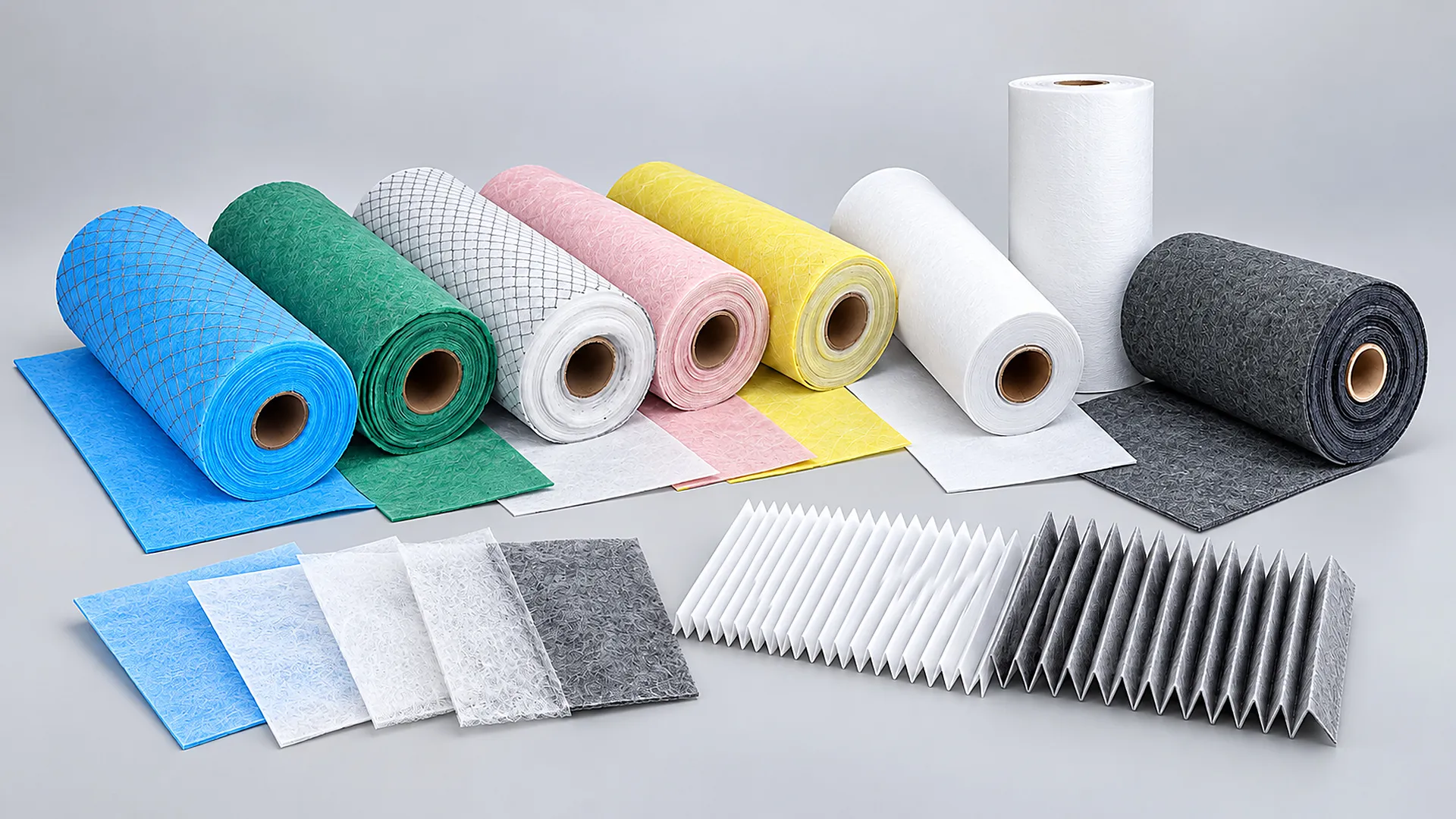
Air Filter Media — Own Plant Since 1990
Whatever You Call the Grade, We Have It
Synthetic and glass fiber filter media for panel, pocket and HEPA production. Tell us the grade you run — MERV, EN 779 or EN 1822 — and the width your pleater takes, and we will match both. Most buyers run two suppliers to cover primary through HEPA.
-
G4 to H14 from One Plant
Primary, medium efficiency and HEPA media on the same order. Most filter plants run two or three suppliers to cover this range — synthetics from one, wet-laid glass fiber from another — which means two lead times, two freight bills and two people to chase.
-
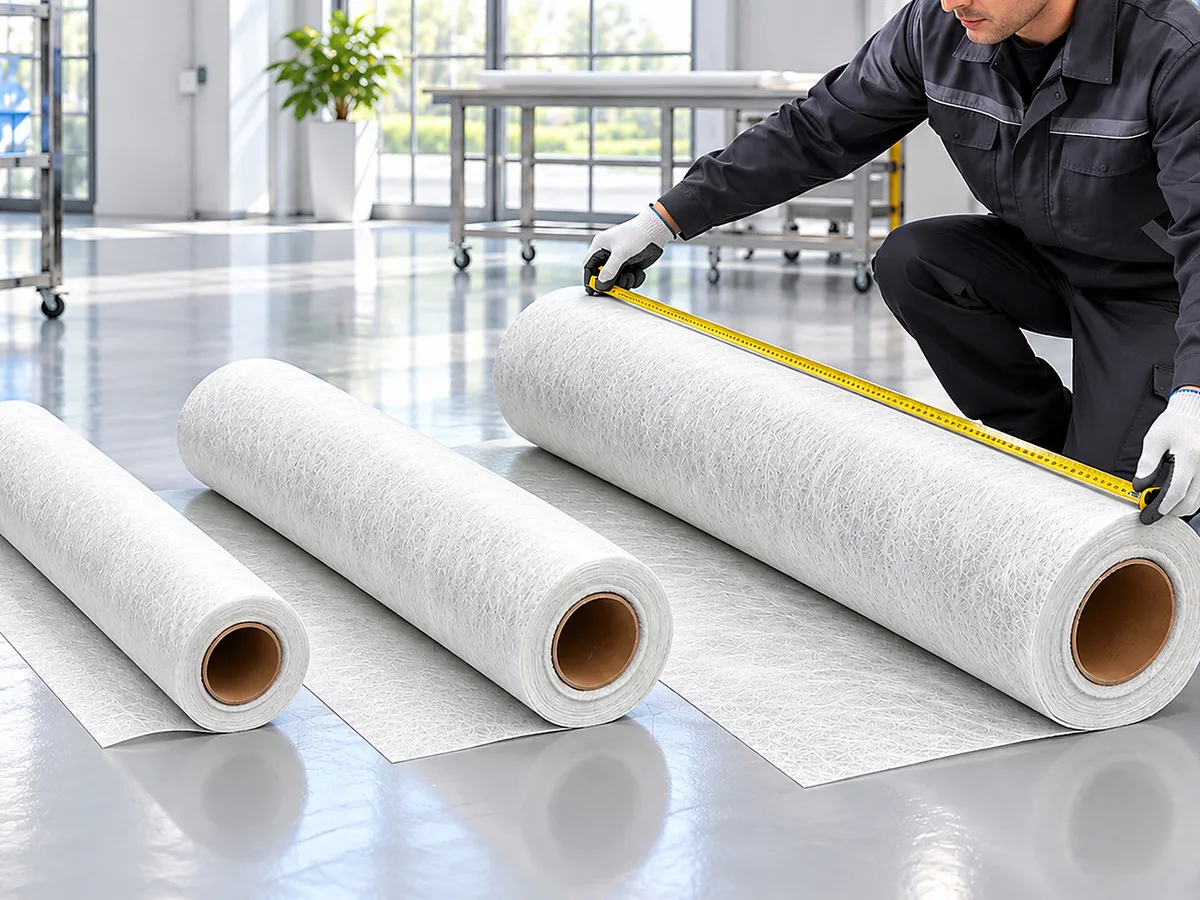
Slit to Your Roll Width
Not just 1000 mm and 2000 mm. Tell us the effective width your pleater takes and we slit to it, rather than selling you a standard roll to trim down and lose material on.
-
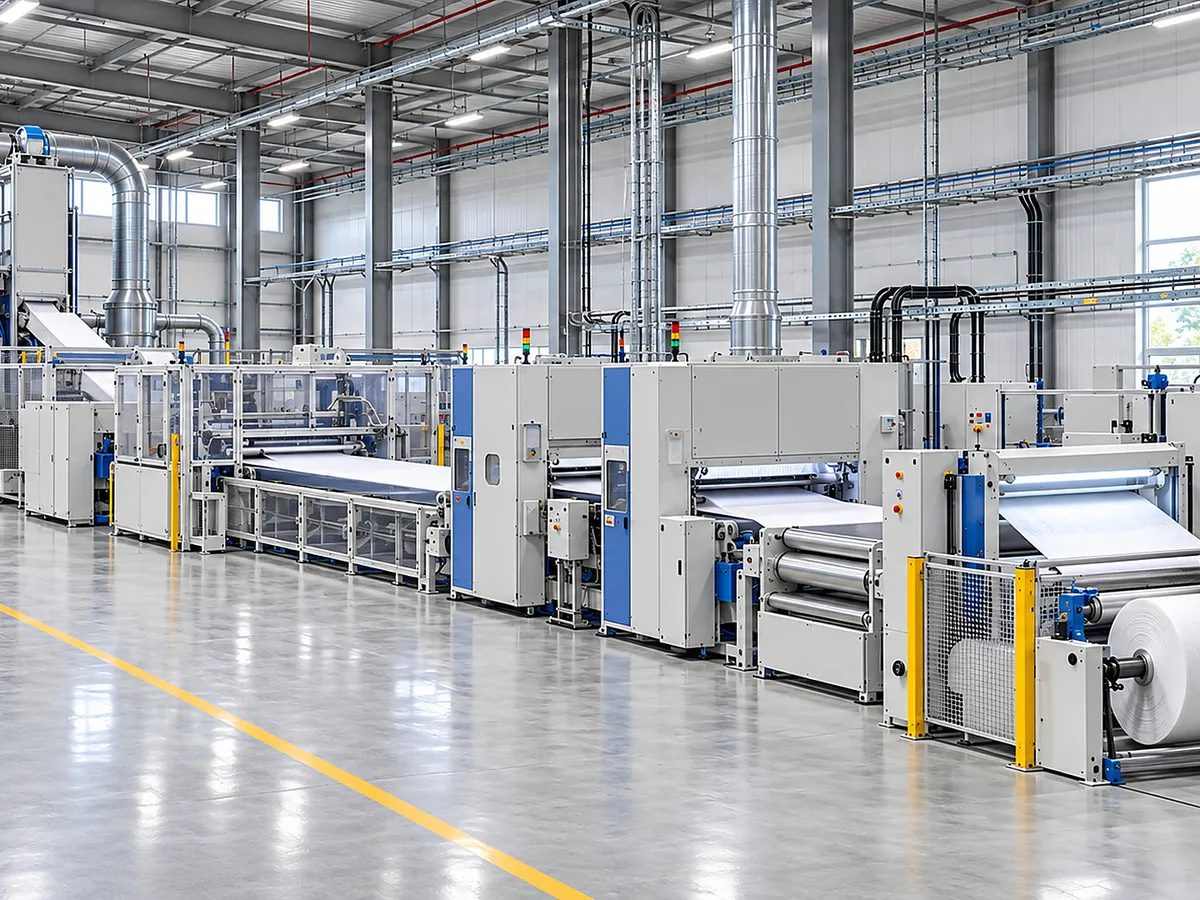
Produced in Our Own Plant
Wet-laid glass fiber and needle-punched synthetics, both made in house since 1990. Not sourced and relabelled.
Media by Filter Class
Four families covering primary pre-filtration through ULPA, plus the automotive cabin media that uses the same production line.
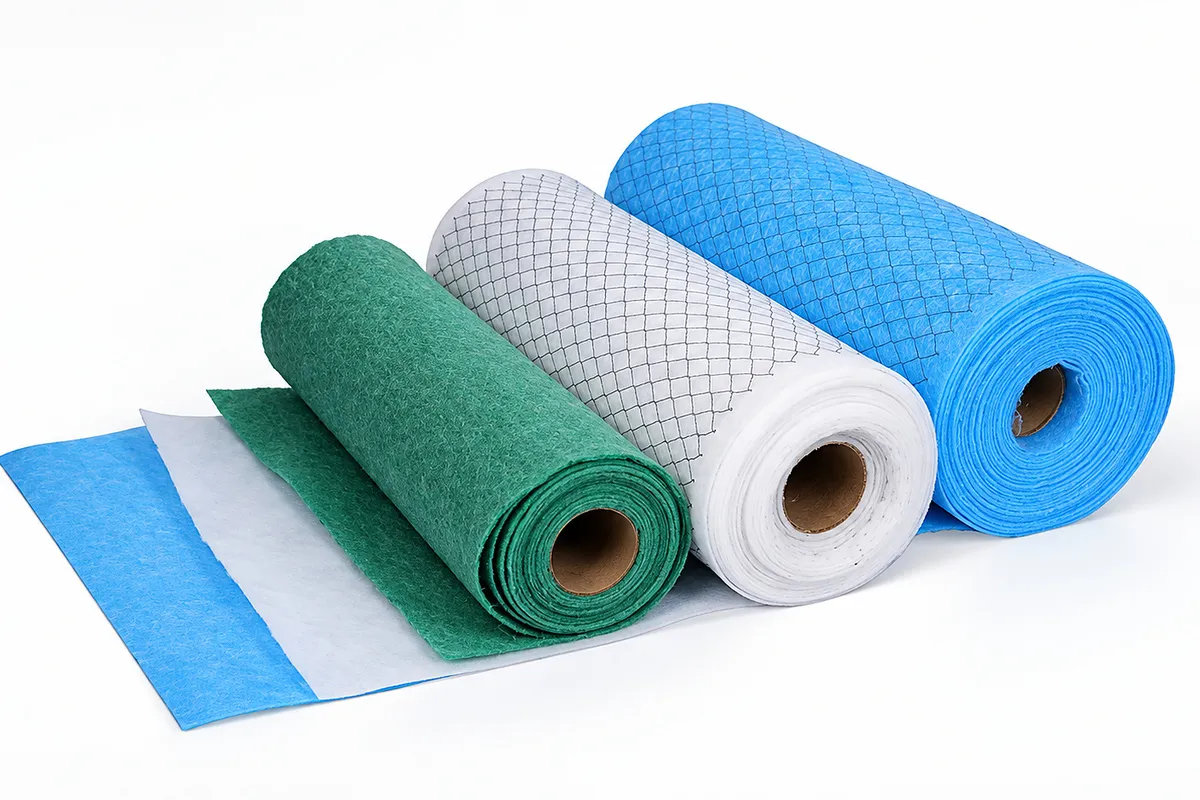
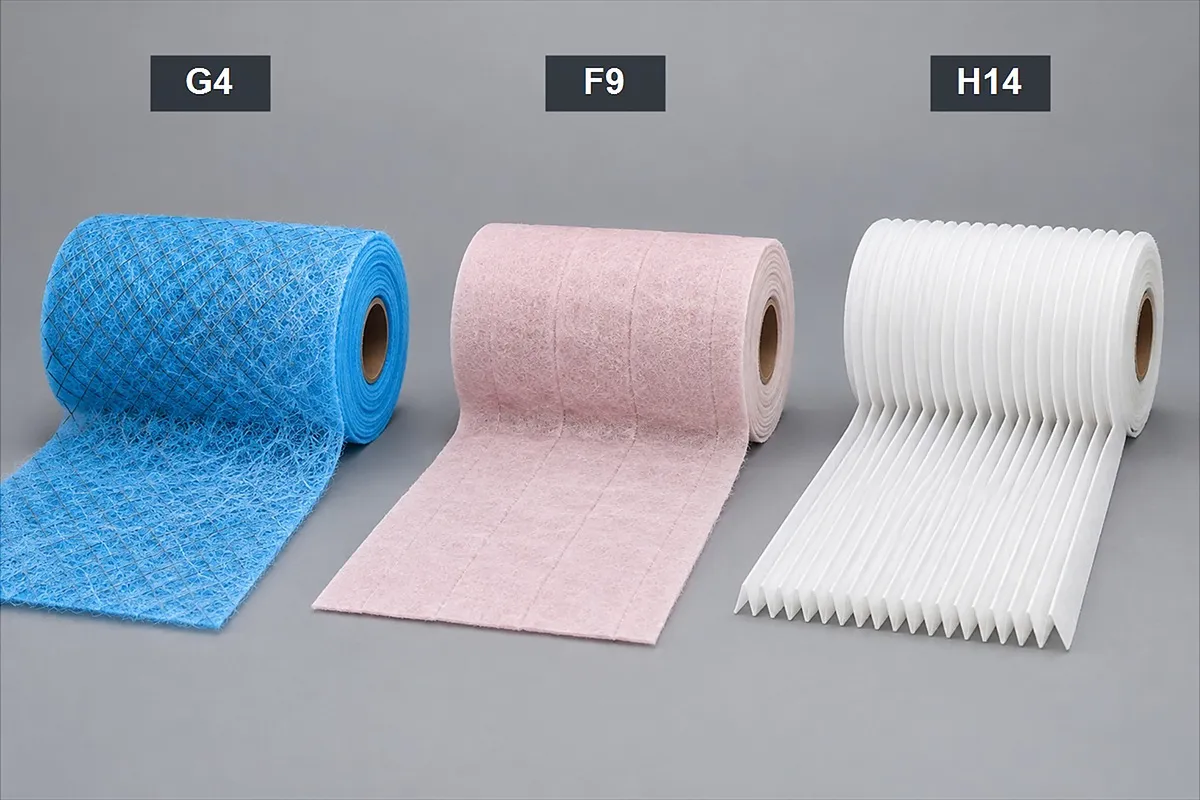
Primary Synthetic — G1-G4
150-280 g/m2, initial resistance 15-40 Pa. Pre-filtration, AHU intake, paint booth intake. Temperature options to 240 C.
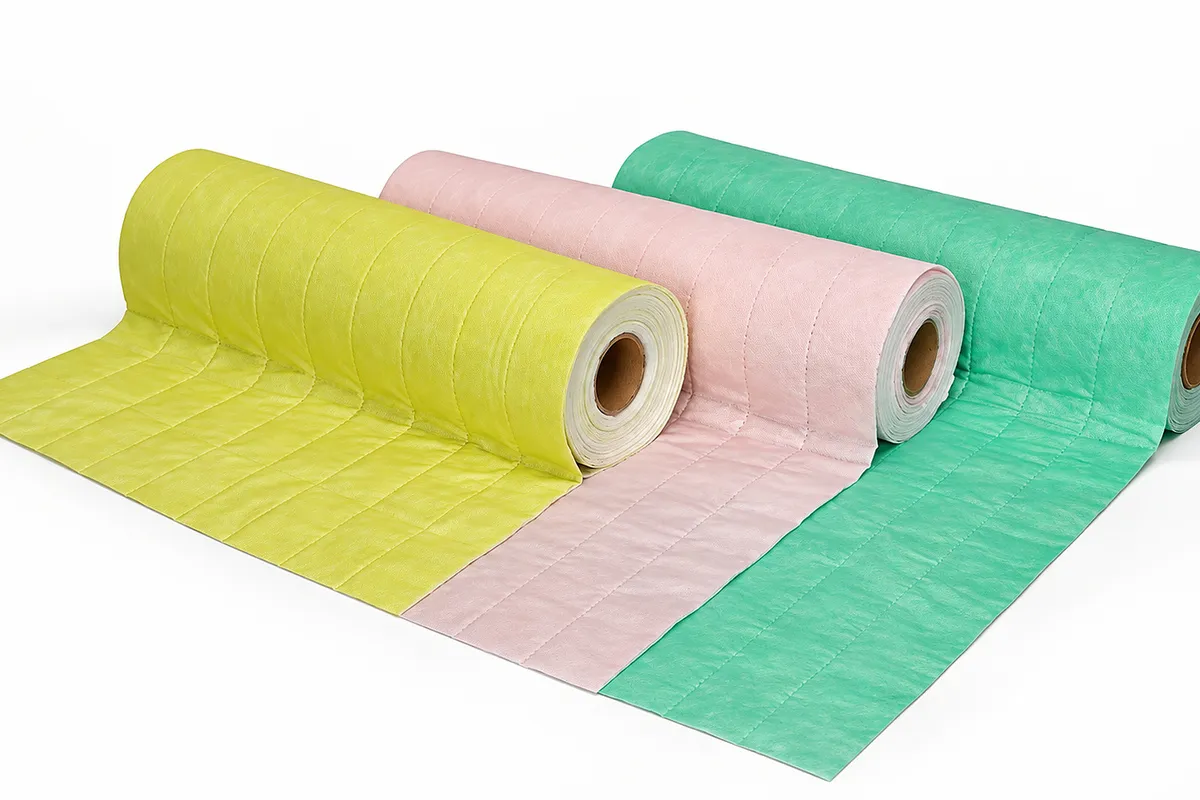
Medium Efficiency — F5-F9
Initial resistance 20-55 Pa, dust holding 100-150 g/m2, weight efficiency 85-99%. Pocket, V-bank and compact filters.
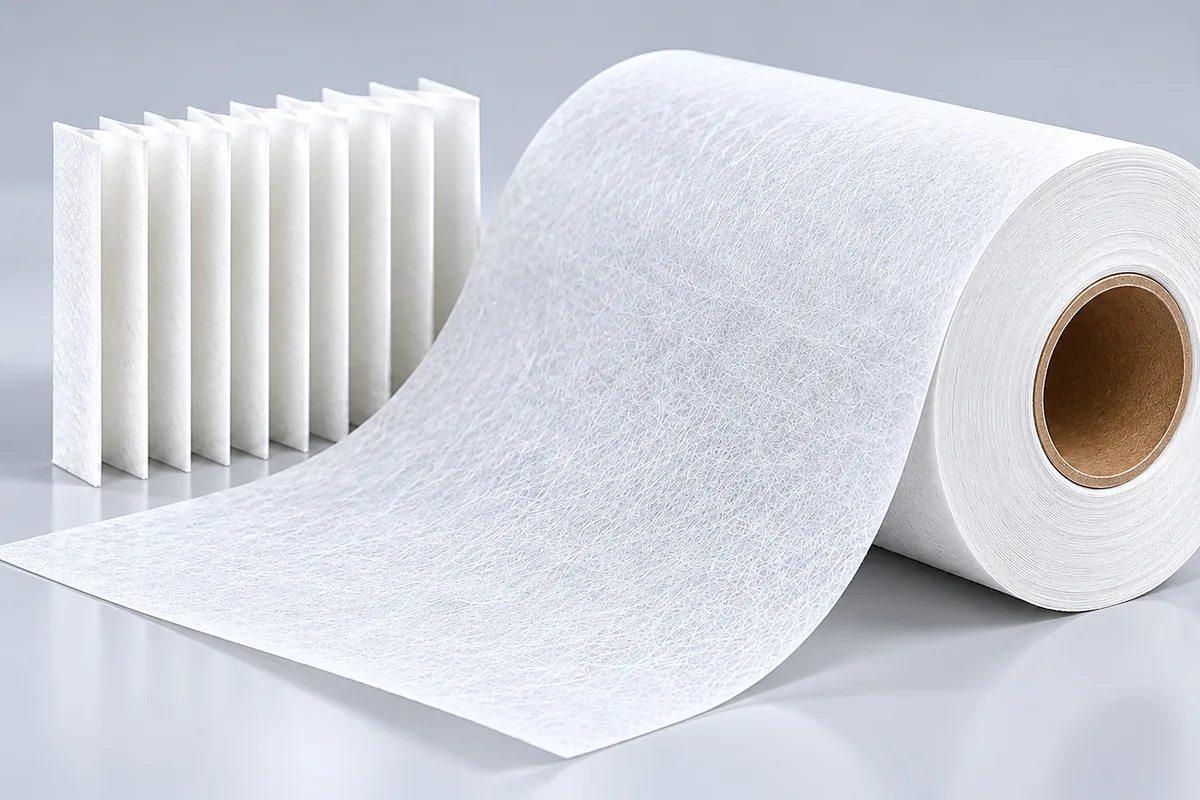
Glass Fiber HEPA — H10-H14
Wet-laid glass fiber to EN 1822. 70-78 g/m2, resistance 95-400 Pa, efficiency 92% to 99.9995%. Fire retardant, water repellent and antistatic options.
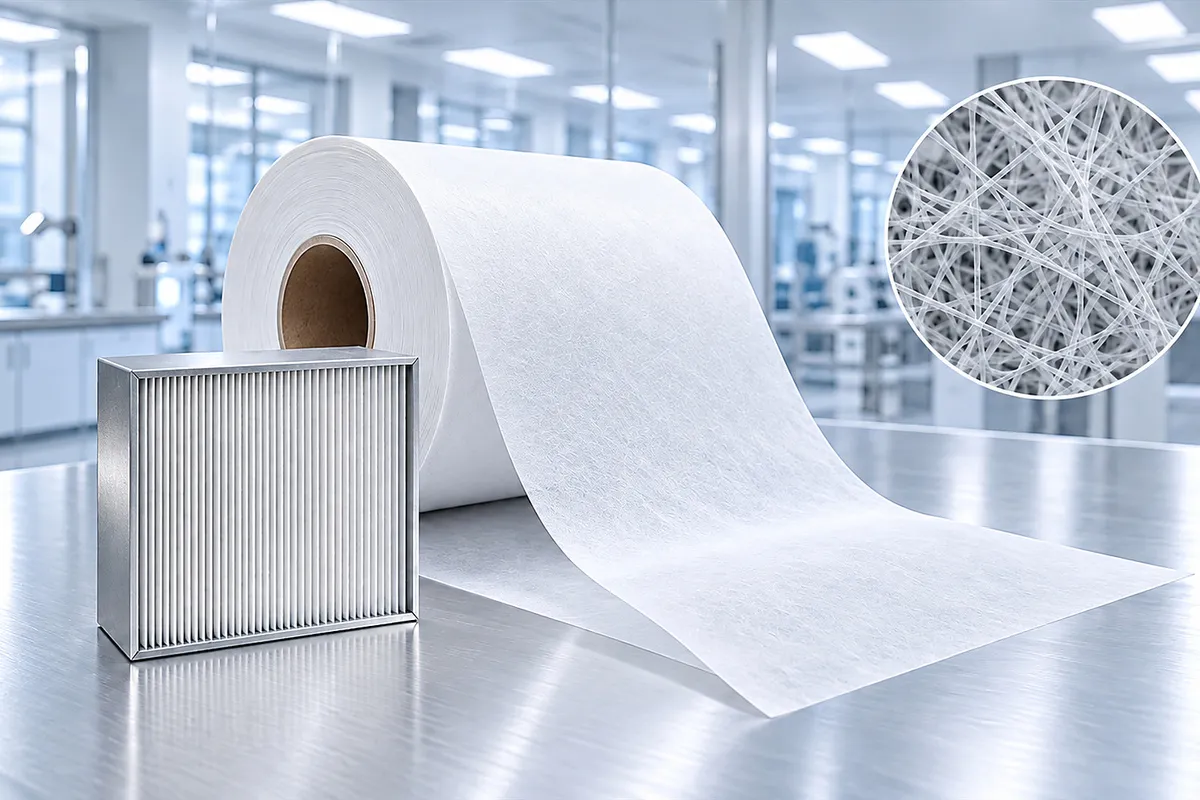
ULPA — U15
For semiconductor and ultra-clean applications where H14 is not enough.
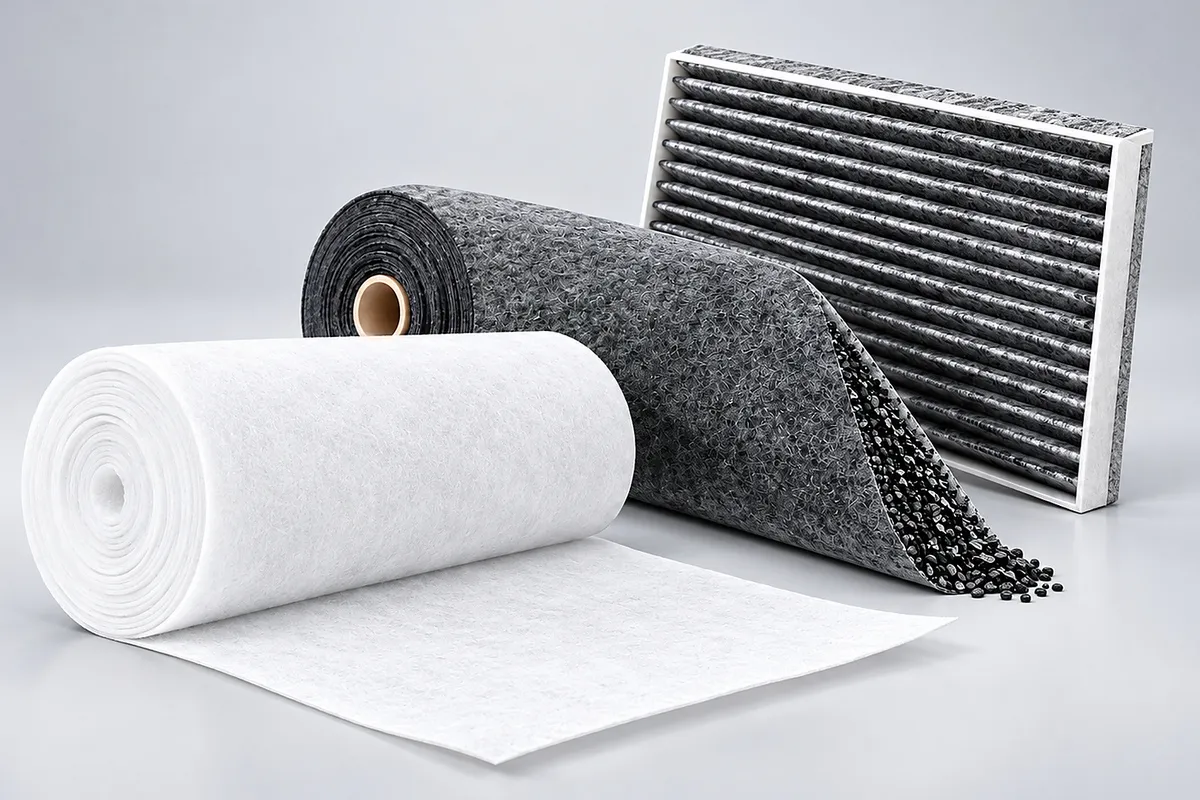
Cabin Filter Media
PP and PET non-woven with activated carbon options. 240 g/m2, 2.7 mm, permeability above 1000 L/m2/s, efficiency above 97%.
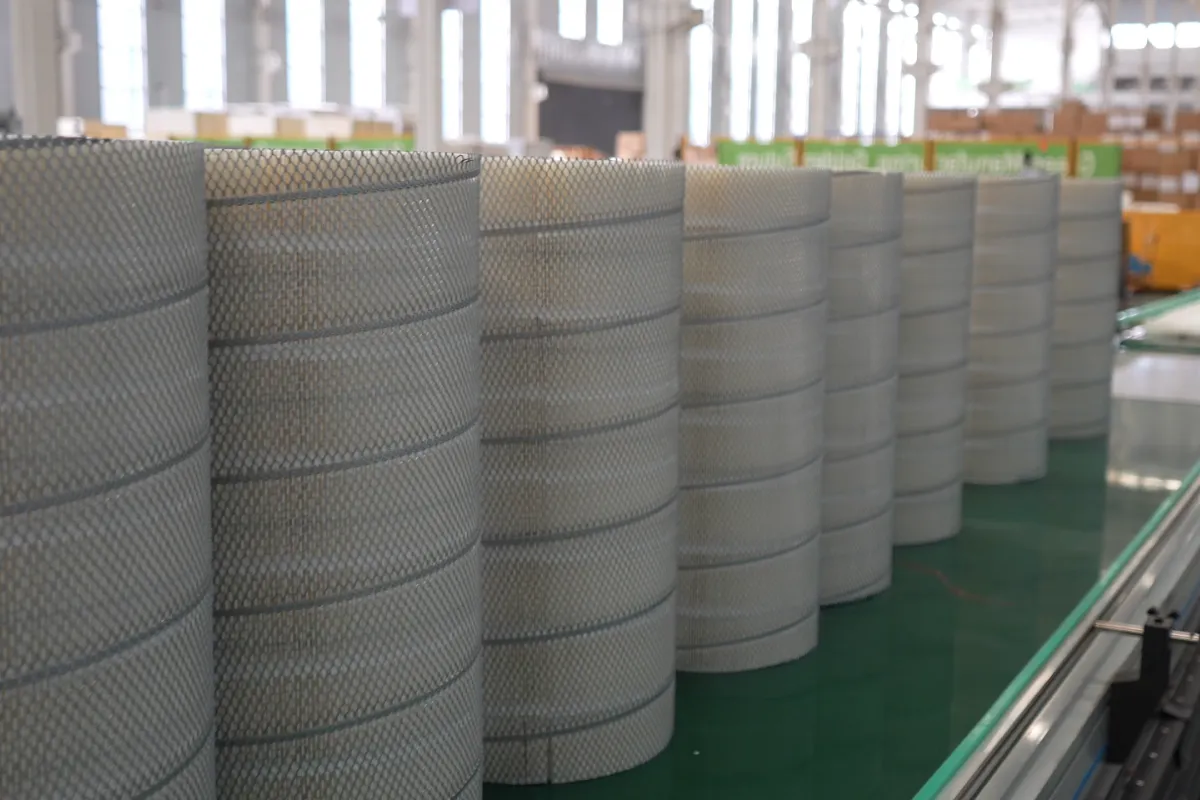
Hydraulic Glass Fiber Composite
For hydraulic elements specified by beta ratio rather than a nominal rating.
MERV, EN 779 and EN 1822 — Side by Side
Buyers in North America specify MERV, buyers in Europe specify G and F classes, and HEPA is specified under EN 1822 everywhere. Here is how our media maps across all three, so you can find yours regardless of which standard you work in.
| Our media | EN 779 / ISO 16890 | MERV (ASHRAE) | EN 1822 | Get this grade priced |
|---|---|---|---|---|
| Primary synthetic | G1-G4 | MERV 1-8 | — | |
| Medium efficiency synthetic | F5-F7 | MERV 9-13 | — | |
| Medium efficiency glass fiber | F8-F9 | MERV 14-15 | — | |
| Glass fiber HEPA | — | MERV 17+ | H10-H14 | |
| Glass fiber ULPA | — | — | U15 | |
| Cabin filter non-woven | — | — | — |
Send Us the Grade and Width You Run Now
Whichever standard you specify in. We will match the grade and slit to your width.
One Order Instead of Two Suppliers
Covering primary through HEPA normally means two sources: a synthetics mill and a glass fiber mill. Two minimum order quantities, two lead times, two freight bills, and two people to chase when a delivery slips. We run both lines in the same plant, so the whole range comes on one order with one lead time and one person answering the phone.
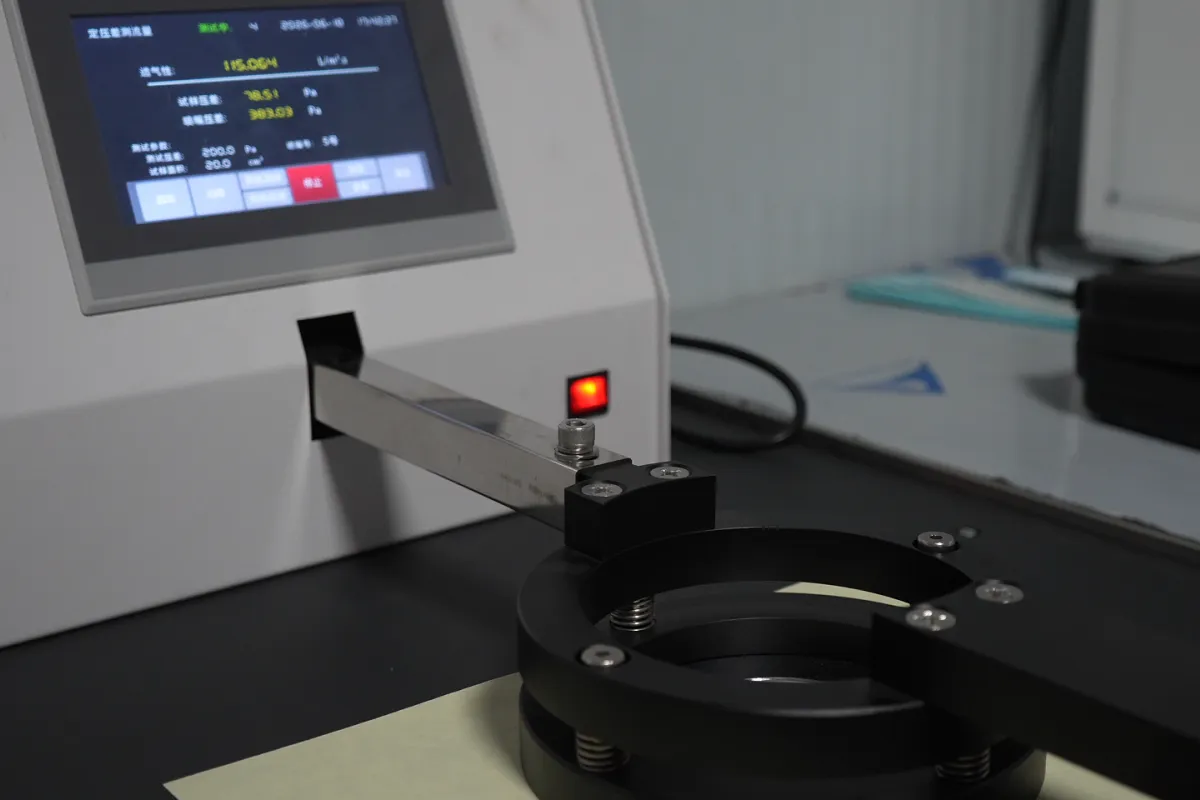
Slit to What Your Pleater Takes
Standard rolls come in standard widths, and if your machine takes something else you either trim on site and lose the offcut or you run the machine below its effective width. We slit to the width you give us. It is the most common reason people move a grade across to us, and it is worth more per year than the price difference on the media itself.
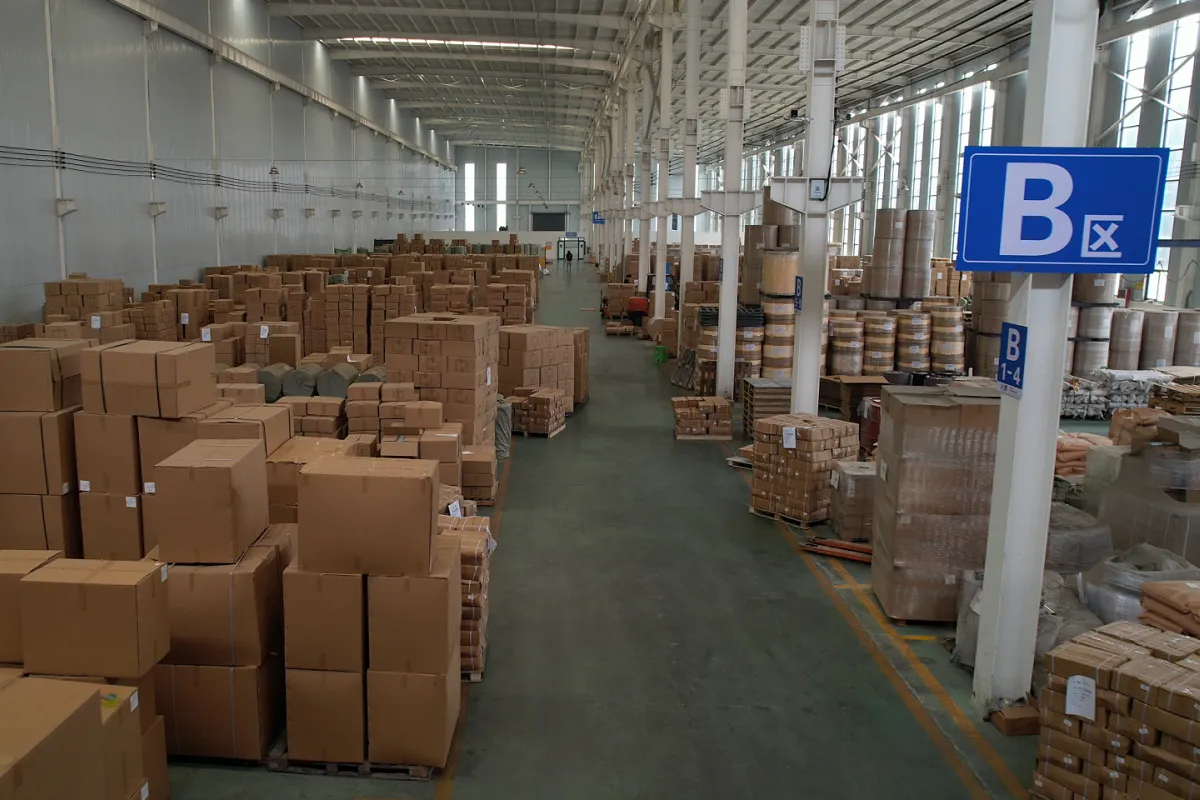
We Also Build the Machines That Run the Media
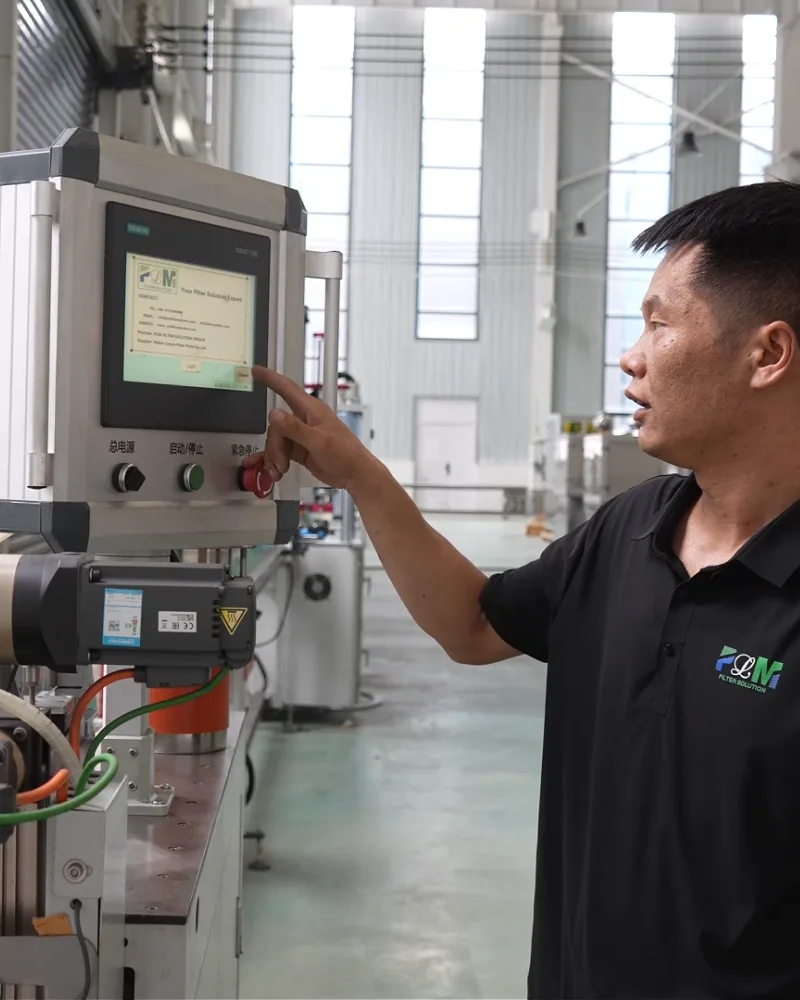
The company started in 1990 building filter production equipment — over 200 machine models sold into more than 90 countries, to over 500 filter manufacturers. That is an unusual background for a media supplier, and it shows up in the questions we ask: when media will not pleat cleanly we can usually tell you whether it is the material or the line setup.
What Are You Building
Same media families, different selection logic. Pick the closest and we will send grades to test.
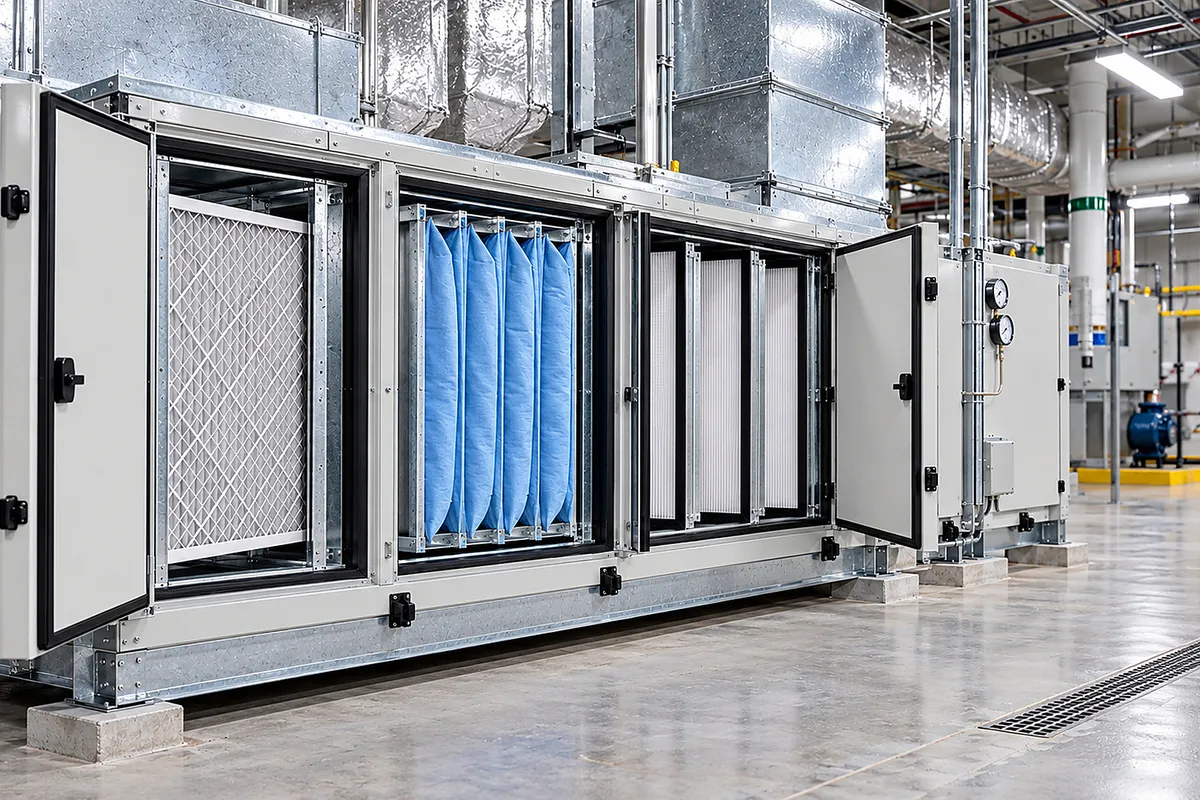
HVAC Air Handling Units
G4 pre-filtration through F9 final, in rolls or cut sheets. The real decision is the trade-off between initial resistance and dust holding — low resistance saves fan energy, high holding means fewer changes, and they pull against each other.
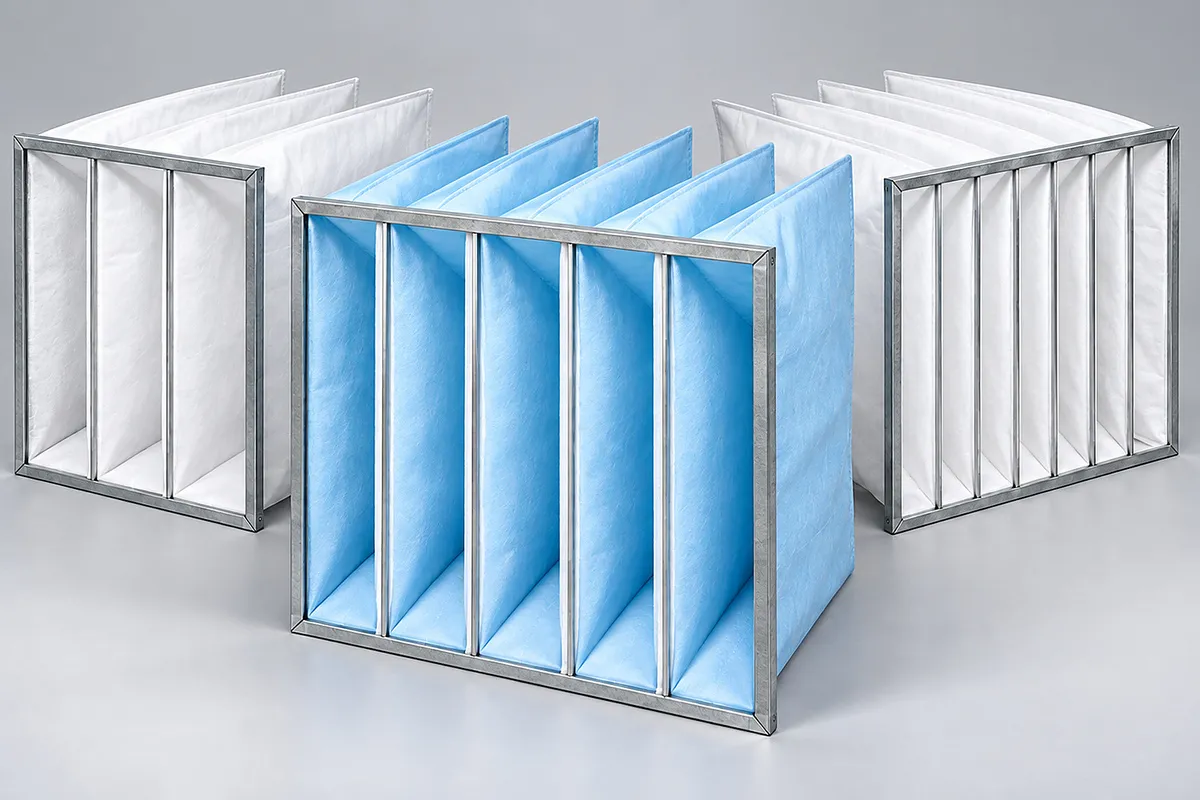
Pocket and Bag Filters
F5-F9 media with initial resistance 20-55 Pa and dust holding 100-150 g/m2. Weight efficiency 85-99% depending on the grade.
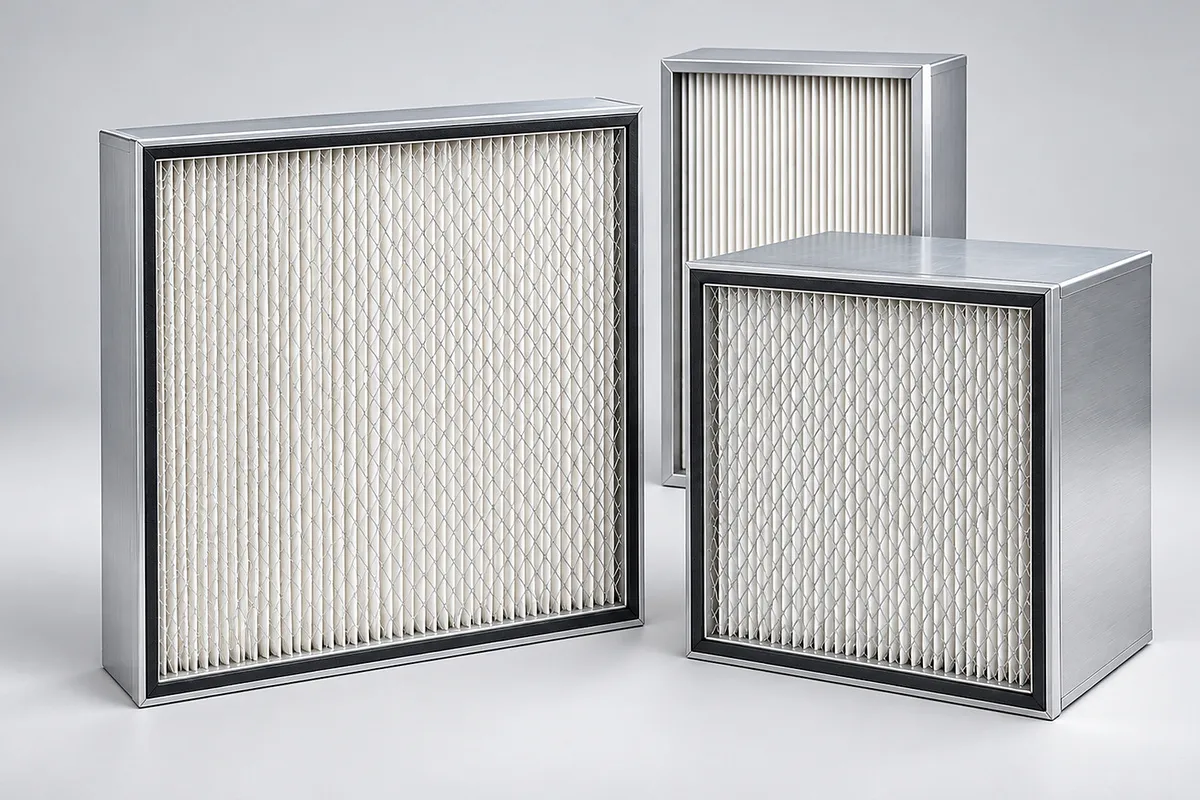
HEPA Filter Elements
Wet-laid glass fiber to EN 1822, H10 through U15, for HEPA and ULPA element production.

Cleanrooms and Labs
Pharmaceutical cleanrooms, chip fabs, hospitals and laboratories, where final filtration runs on H13 to U15 glass fiber media.

Air Purifier Manufacturing
HEPA media in roll form for domestic and commercial purifier production, with antistatic and fire retardant options.
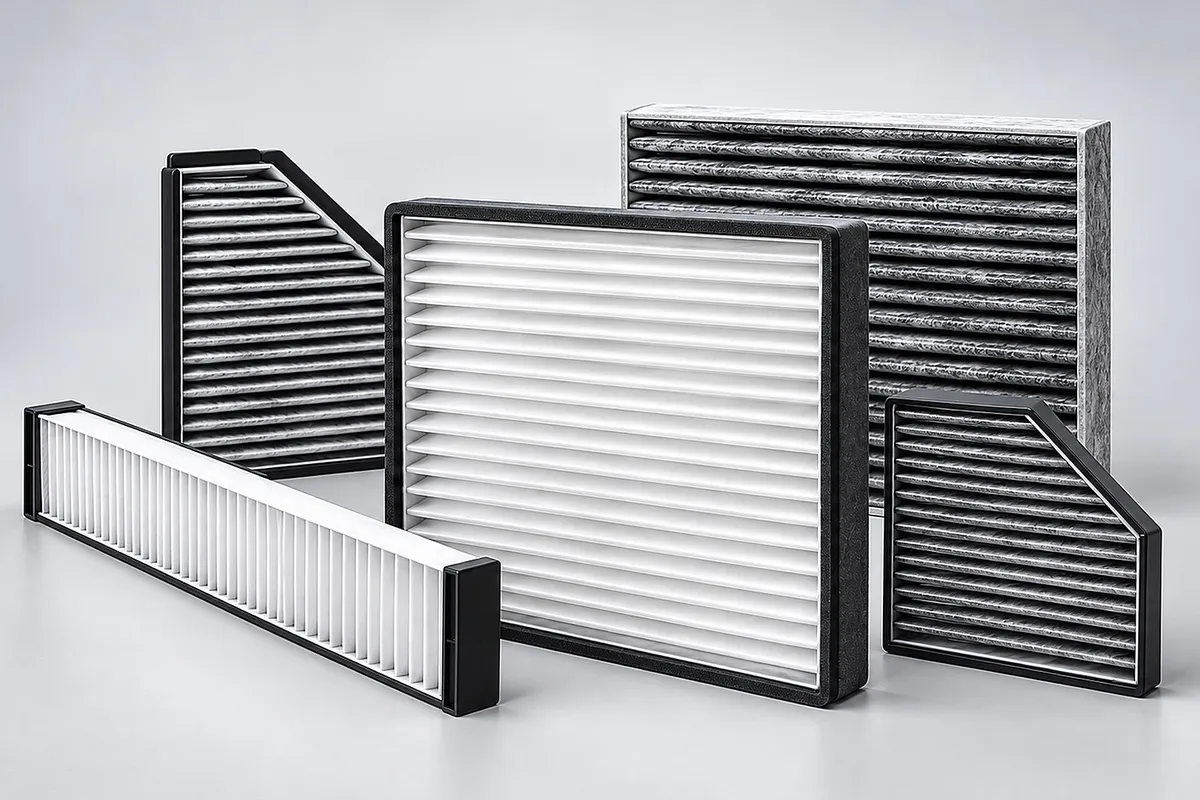
Automotive Cabin Filters
PP and PET non-woven, 240 g/m2, with activated carbon and antibacterial variants for cabin air filter production.
From Your Grade to a Roll on Your Machine
- 1
Send the grade and the width
MERV, EN 779 class or EN 1822 class — whichever you specify in — plus the effective width your pleater takes.
- 2
We match it
We name the media that corresponds and confirm the resistance and holding capacity against your application.
- 3
Free sample
We send media to run on your line. An engineer confirms the grade, the width and shipping within 24 hours.
- 4
You test it
Most customers run a side-by-side against their current supplier on one production batch.
- 5
Slit and delivered
Around one week after payment if the grade is in the current production run; 1-2 weeks after deposit if it has to be produced.
Synthetic or Glass Fiber
Below F9 synthetics are usually the better value. At H10 and above you need wet-laid glass fiber. In between, it depends on the line.
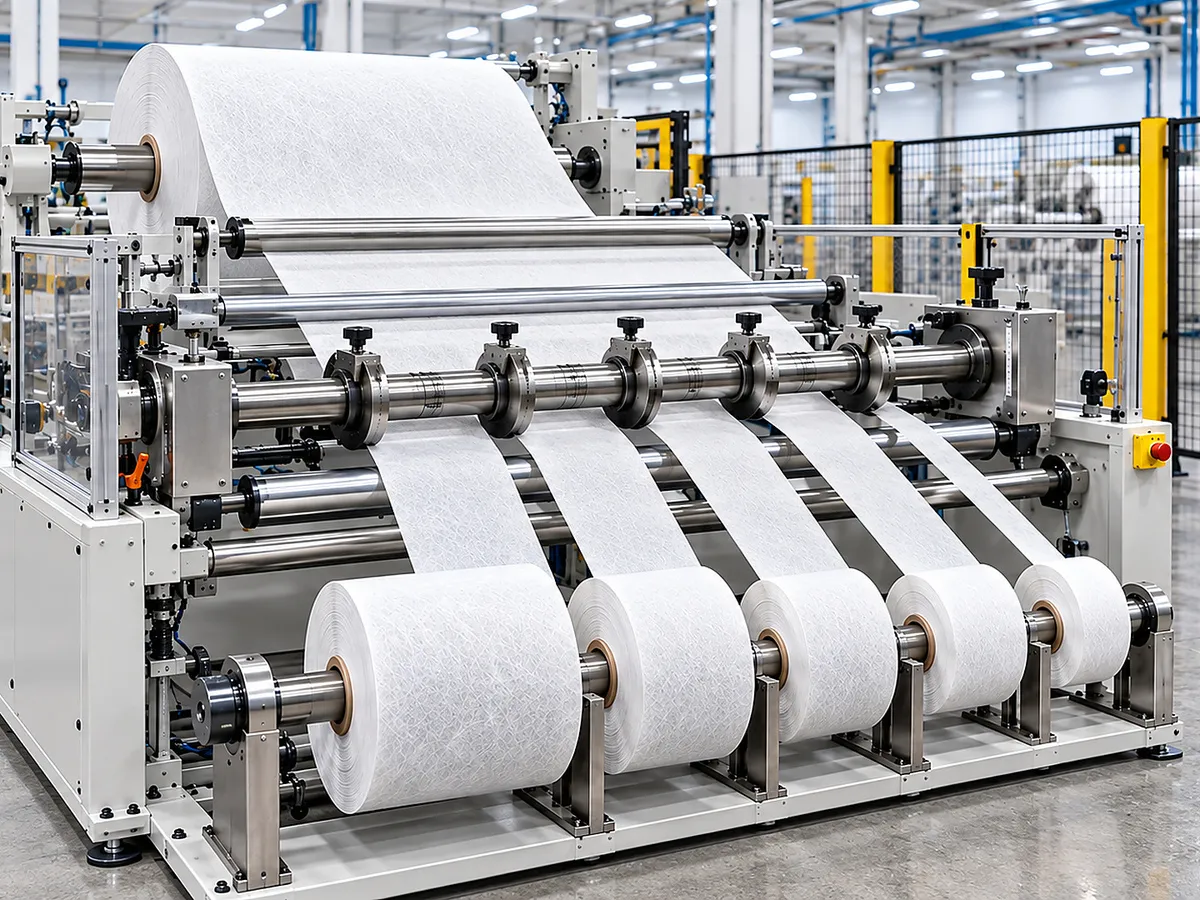
General ventilation
- Class
- G1-G4
- Media
- Primary synthetic, 150-280 g/m2
- Situation
- Pre-filtration, cost per square metre matters
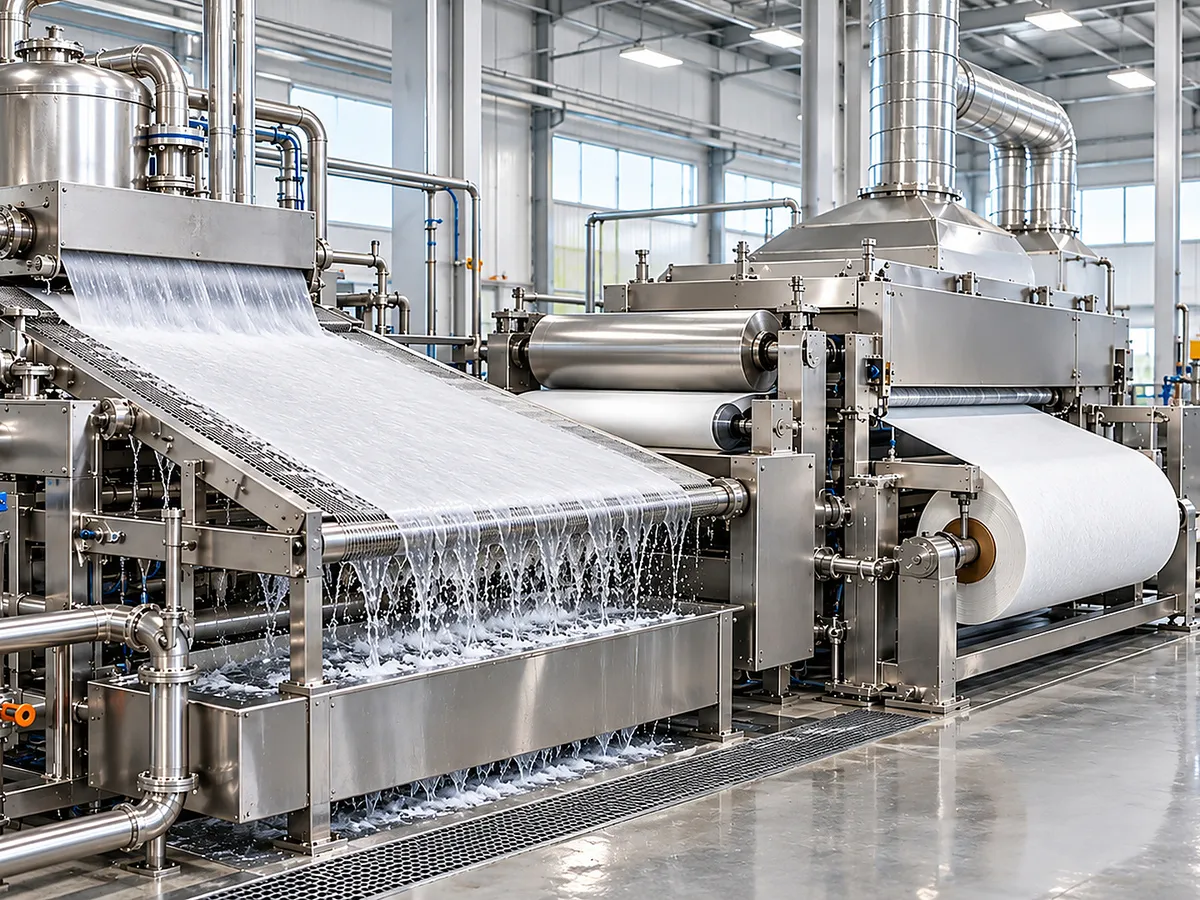
Final filtration
- Class
- F5-F9
- Media
- Synthetic or glass fiber
- Situation
- Pocket or compact, balance of resistance and holding
Cleanroom
- Class
- H13-H14
- Media
- Wet-laid glass fiber, 70-78 g/m2
- Situation
- Certified efficiency under EN 1822
Ultra-clean
- Class
- U15
- Media
- Glass fiber ULPA, 99.9995%
- Situation
- Semiconductor, H14 not sufficient
Talk to an engineer
“Tell us the grade you run now and the width your machine takes. If one of our grades matches we will say which, and if none does we will tell you that instead of sending the closest thing and hoping.”
What Filter Manufacturers Ask First
Answered by the engineers who handle the samples.
What grades do you supply?
G1 to G4 in primary synthetics, F5 to F9 in medium efficiency, and H10 to U15 in wet-laid glass fiber under EN 1822. If you specify in MERV, send the MERV rating and we will tell you which of our media corresponds.
Can you slit the filter media to my roll width?
Yes, and it is the most common reason people move a grade to us. Send the effective width your pleater takes and we slit to it. Standard widths are available as well.
Synthetic or glass fiber — which should I use?
Below F9 synthetics are usually better value: tougher, easier to pleat, less sensitive to handling on the line. At H10 and above you need wet-laid glass fiber filter media. Around F7 to F9 both work and the decision comes down to pressure drop and how your line handles the material.
Is a MERV rating the same as an EN 779 class?
No — they are different tests with different particles and different reporting. The chart on this page shows the usual working equivalences so you can find the right family, but we quote against your actual specification rather than against a conversion.
What is your minimum order quantity?
It varies by item and is stated on the quotation sheet, and it is negotiable. Tell us the volume rather than assuming you are below it.
How long is delivery?
Around one week after payment if the grade is in our current production run; 1 to 2 weeks after deposit if it has to be produced.
Can I get a sample before ordering?
Yes. Request a free sample and one of our filtration engineers will contact you within 24 hours to confirm the grade, the roll width and the shipping arrangement.
How do you compare with the European media brands?
The same grade designations, produced in our own plant, and we will send media to test against what you are running now. Most customers run a side-by-side on one production batch first. Where we are usually different is roll width flexibility and order size — we do not have their minimums.
Send Us Your Grade. We Will Send Media to Test.
MERV, EN 779 or EN 1822 — whichever you specify in. An engineer replies within 24 hours.