
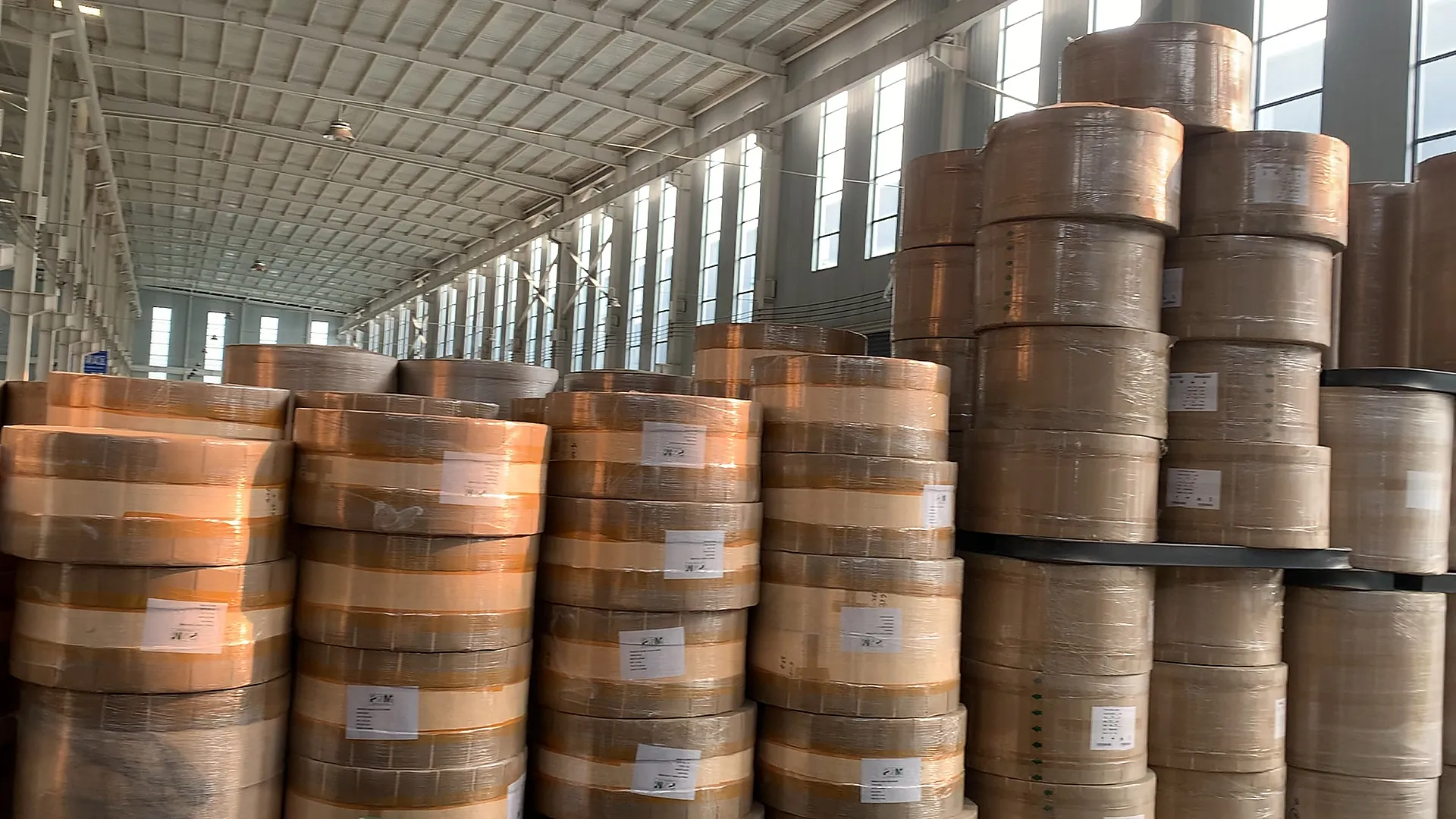
Filter Paper Manufacturer — Own Plant Since 1990
The Paper Has to Survive Your Line, Not Just the Spec Sheet
Cured and uncured filter paper from 95 to 195 g/m2, in smooth, corrugated and crepe. Tell us the grade you run and the machine you run it on — we have built over 200 filter production machine models since 1990, so we know what the paper has to do on yours.
-
Cured and Uncured, Both in Stock Grades
Phenolic-impregnated paper for lines with a curing oven, acrylic-impregnated for lines without one. The choice is dictated by your equipment, not by what we happen to carry — and getting it wrong means pleats that will not hold their form.
-
We Built the Line You Run
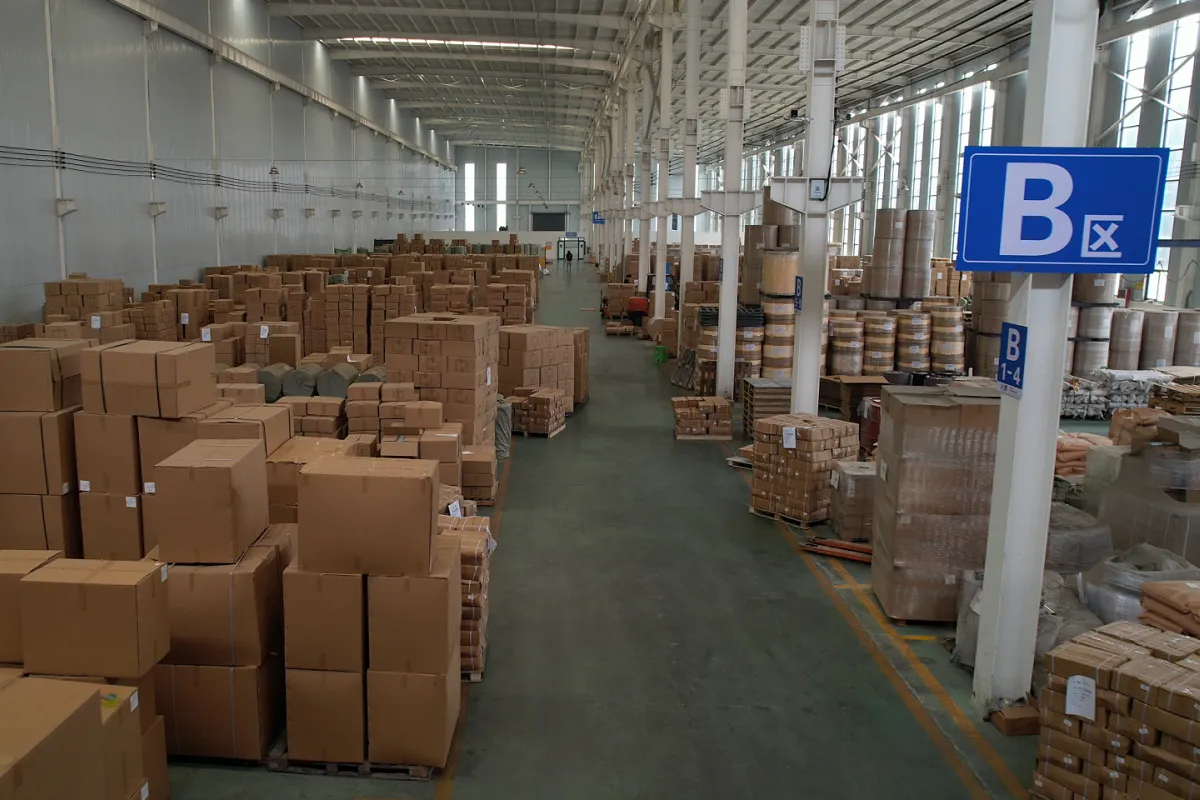
Over 200 machine models since 1990 — pleaters, curing ovens, test rigs — sold into more than 90 countries. When you tell us the machine, we know the stiffness, the permeability and the burst strength the paper needs to survive on it.
-
Produced in Our Own Plant
High-density cotton pulp and bleached softwood pulp, impregnated and finished in house. Not sourced from a mill and relabelled.
Filter Paper by Element Type
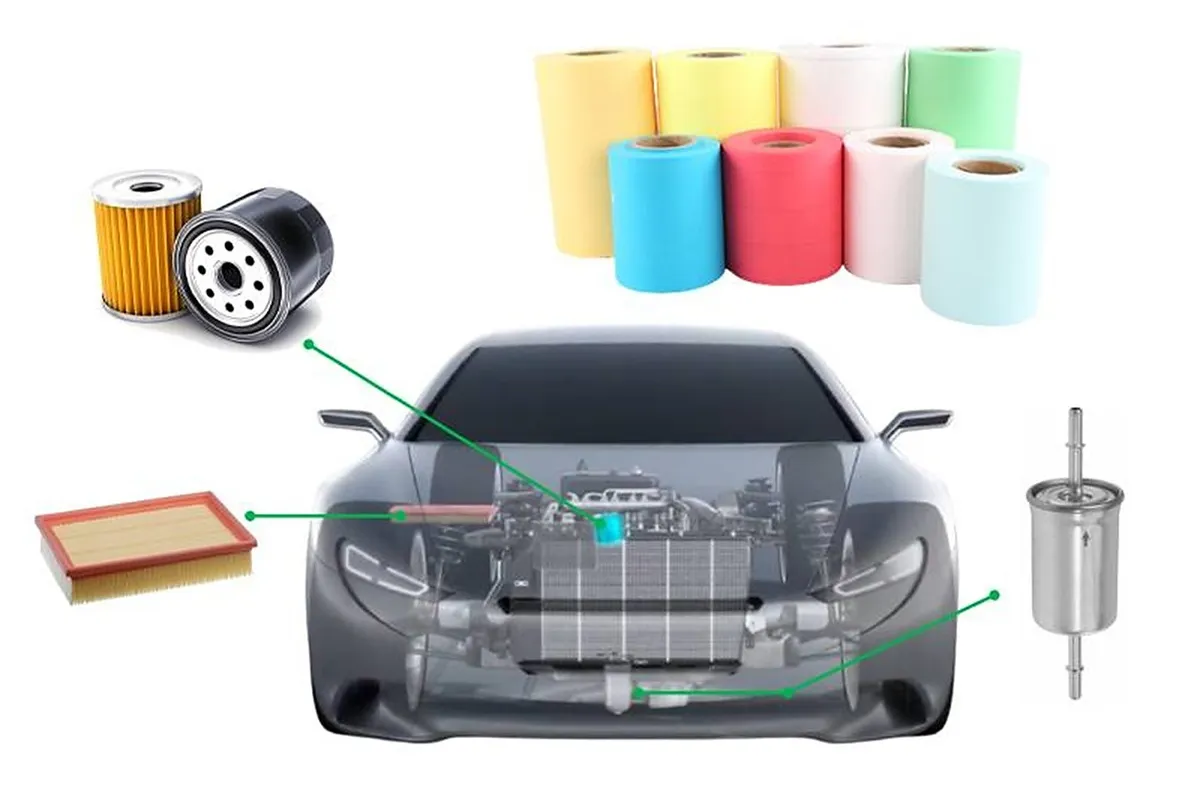
Four media families, one supplier, one shipment. Most filter plants buy air, oil and fuel paper from three different sources.
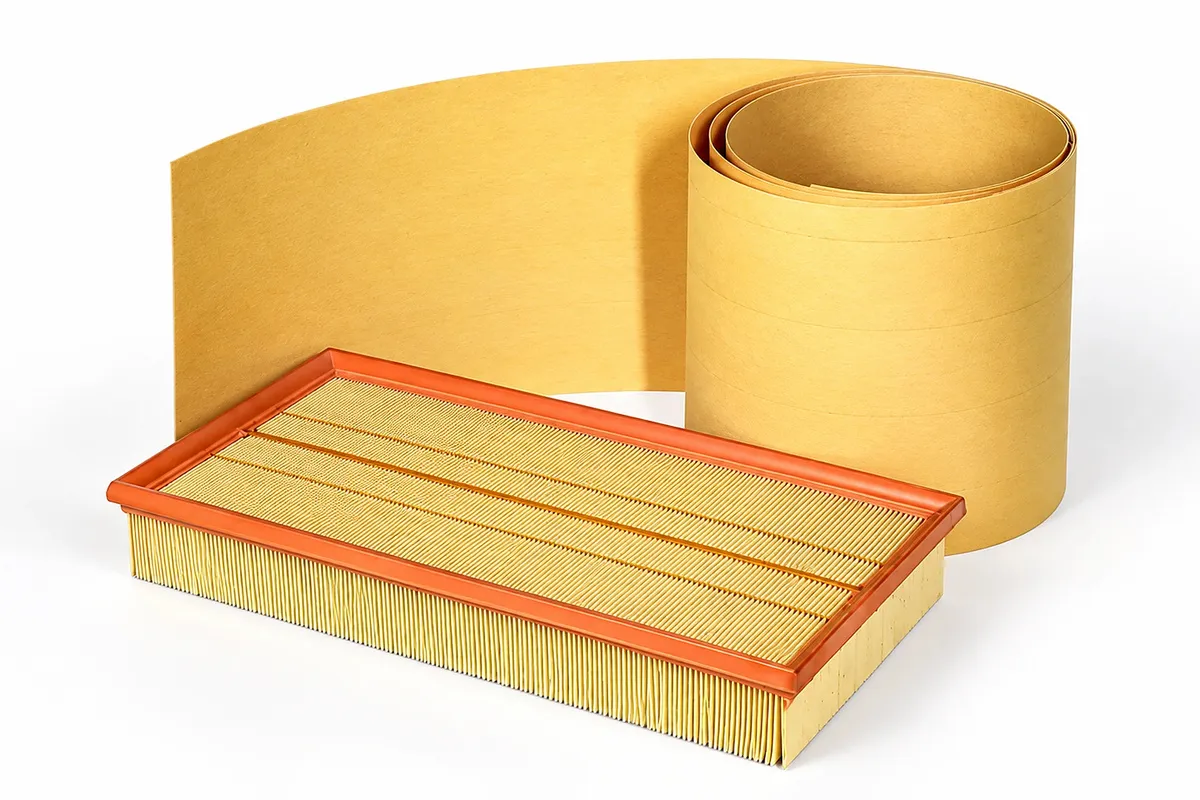
Air Filter Paper — Passenger Car
95-135 g/m2, smooth and corrugated surfaces. Permeability 130-450 L/m2/s for panel and round elements.
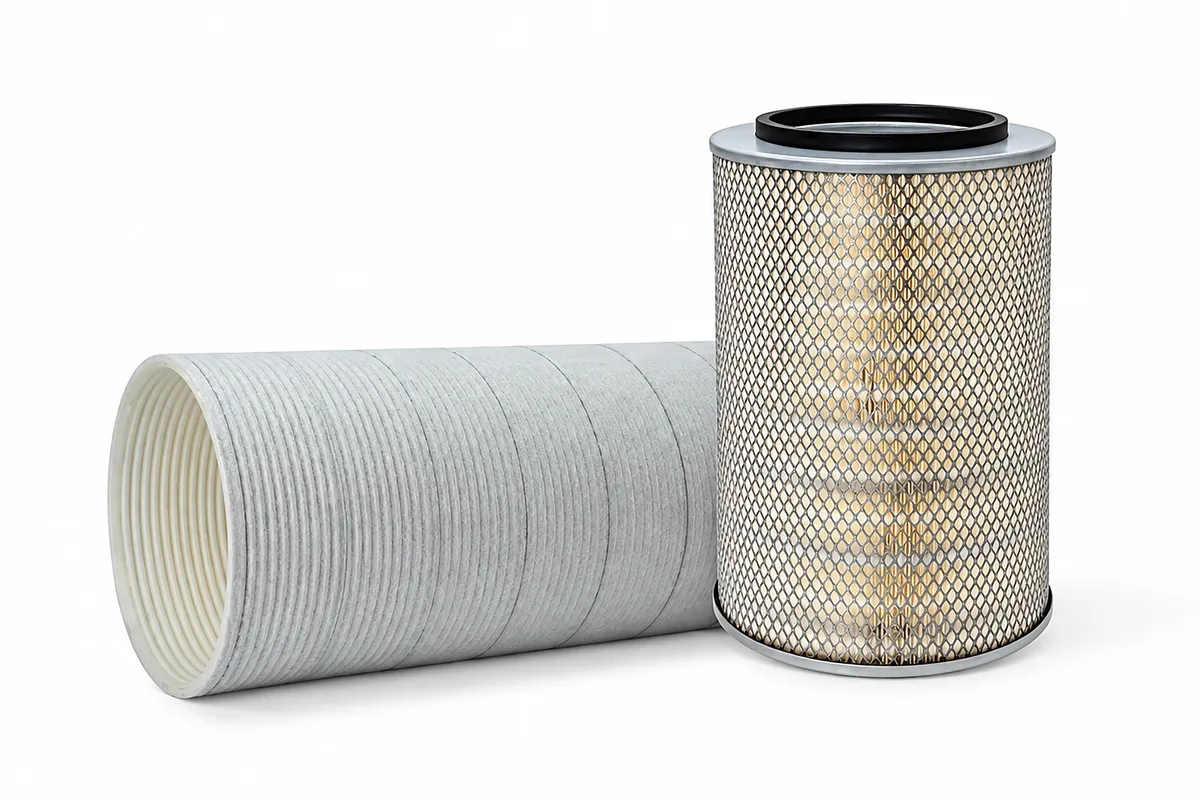
Air Filter Paper — Truck & Off-road
Up to 195 g/m2 with burst strength above 400 kPa. Deeper pleats need the stiffness to hold them under load.
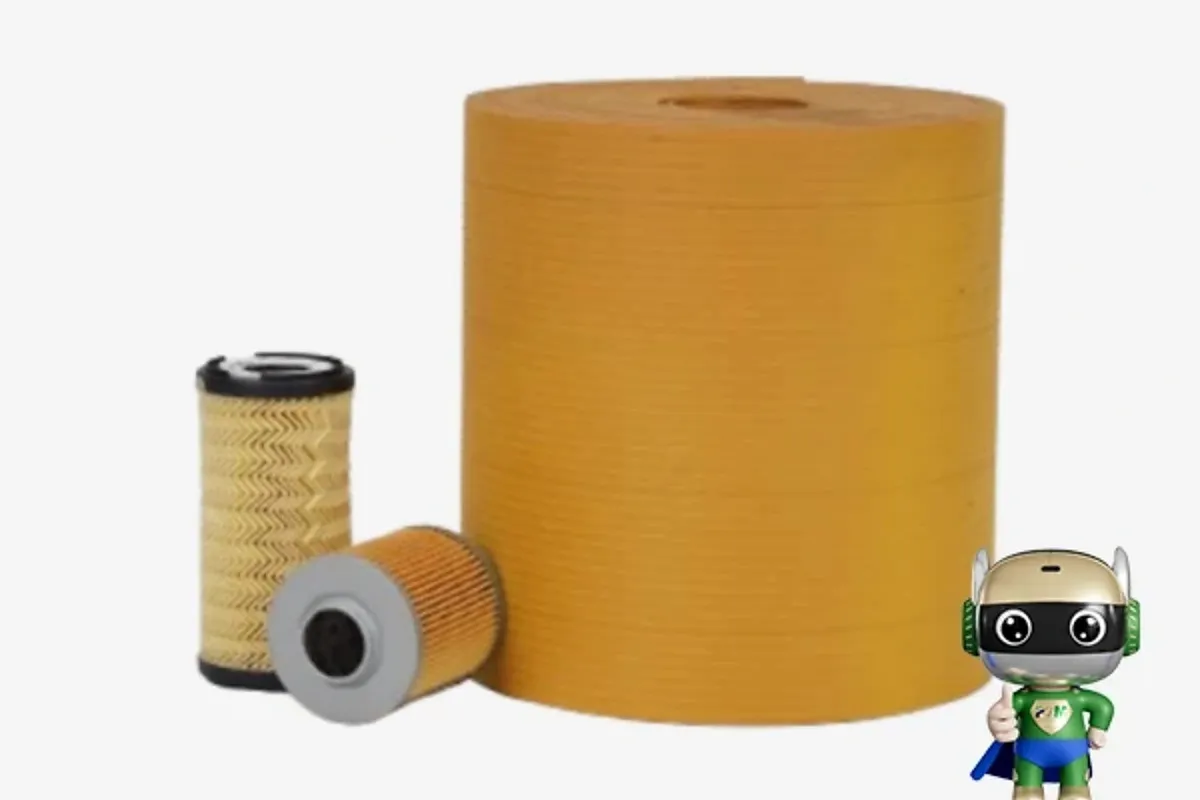
Oil Filter Paper
Higher basis weight and tighter pore structure, dimensionally stable in hot oil. Cured grades only.
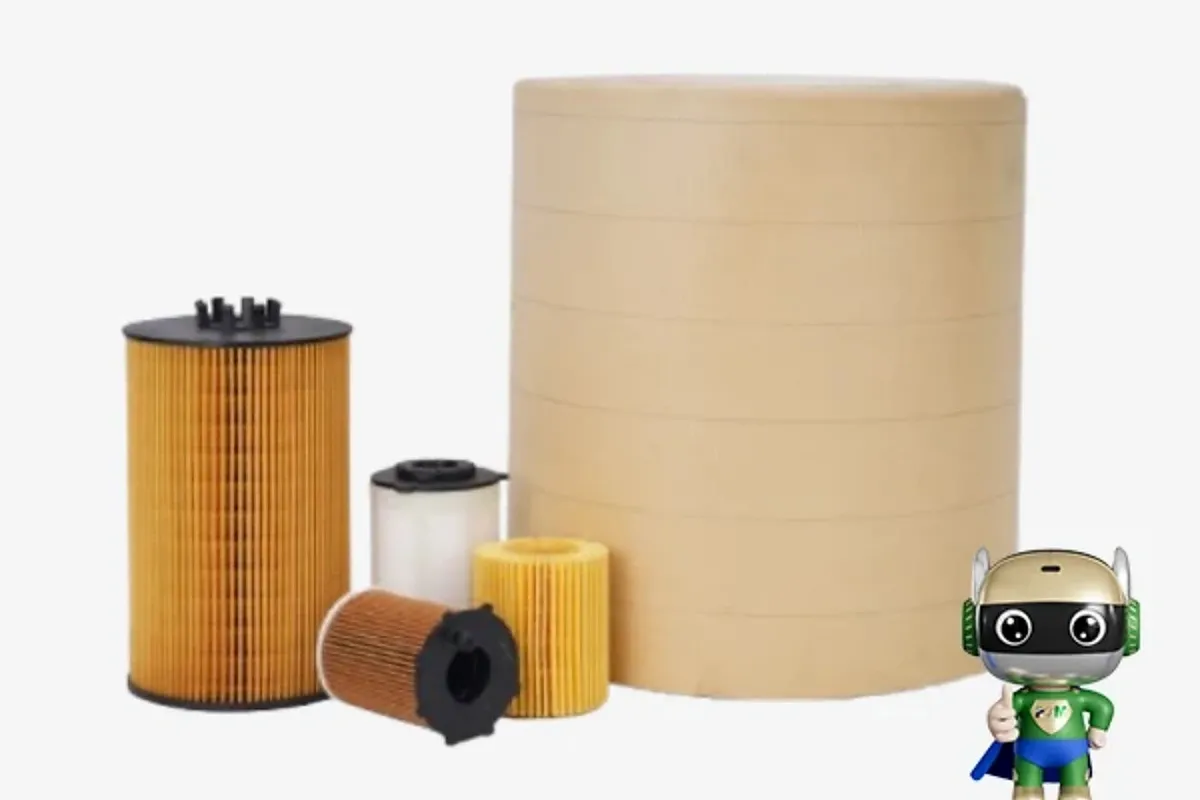
Fuel & Diesel Filter Paper
Including water-separation grades. Resin content and curing schedule matter more here than anywhere else.
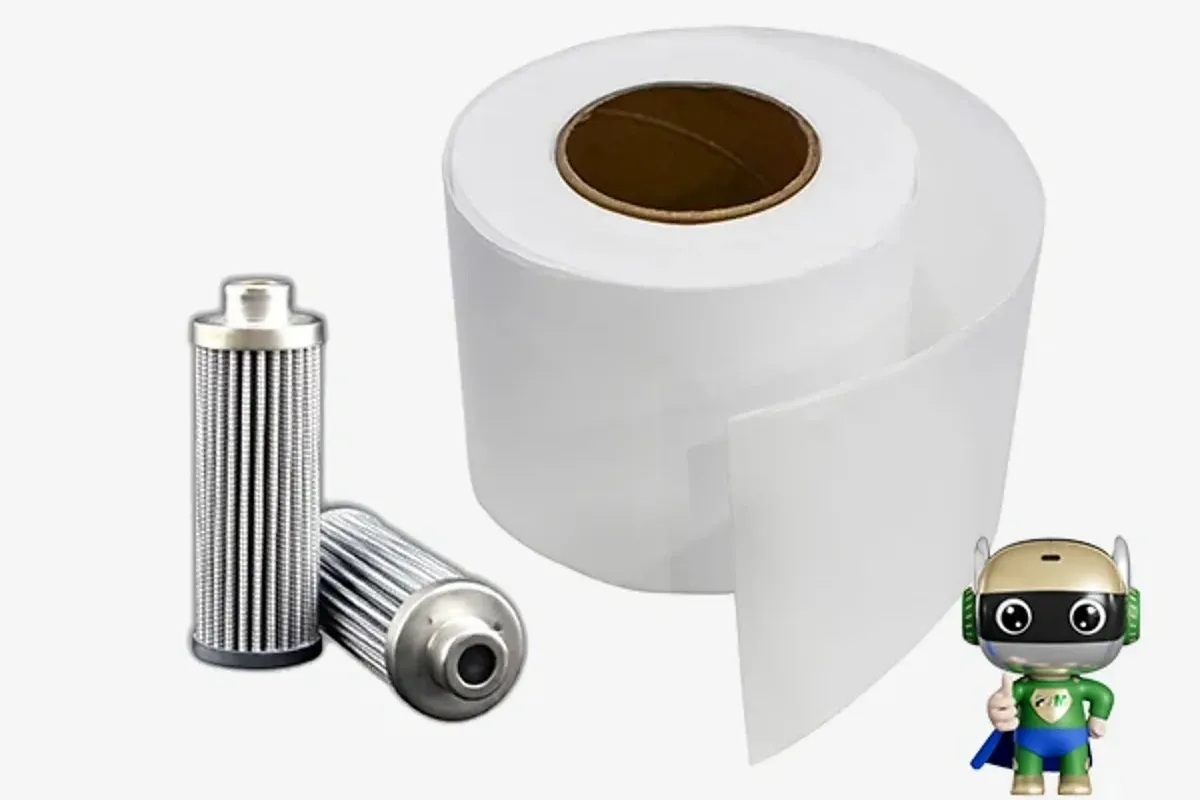
Hydraulic Filter Media
Glass fiber composite for hydraulic elements, where beta ratios matter rather than nominal ratings.
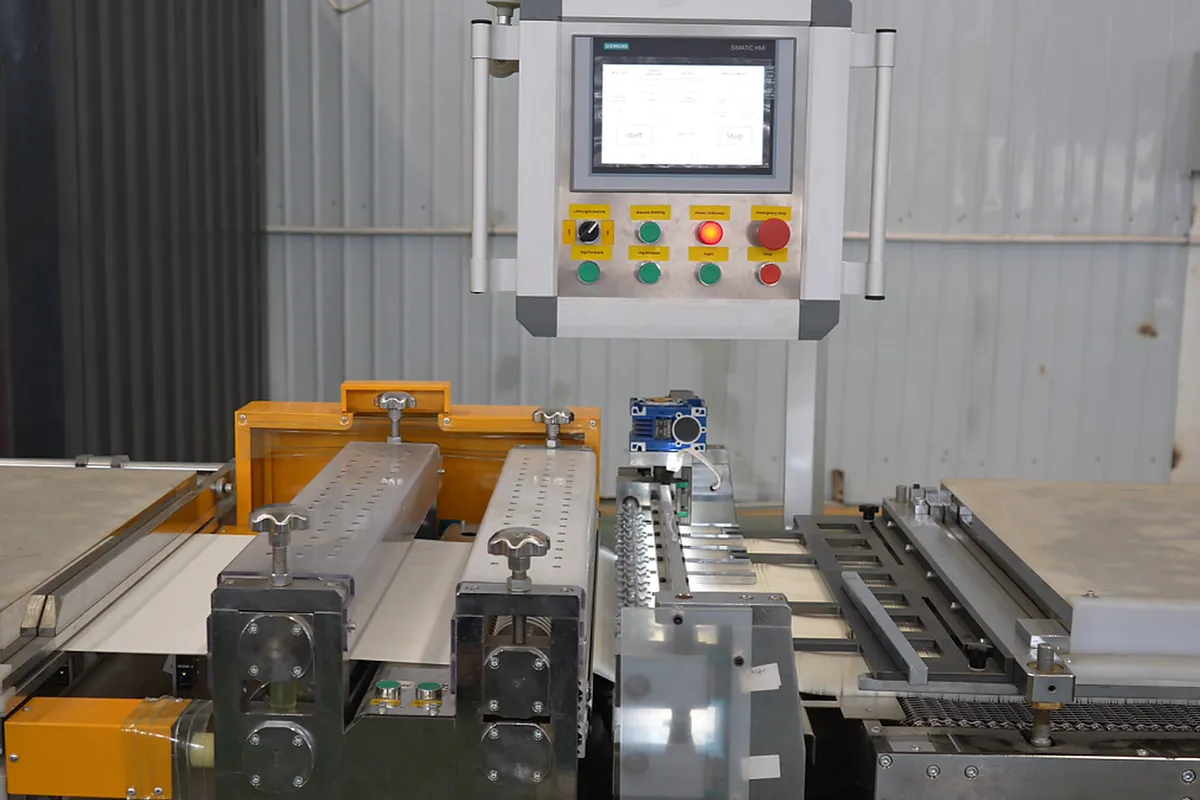
Cured vs Uncured — Tell Us Your Line
Send the make and model of your pleater and curing oven. We will tell you which impregnation belongs on it.
Air Filter Paper — Listed Grades
Fifteen air filter paper grades currently listed. Oil, fuel and hydraulic grades are quoted against your specification — send the basis weight and permeability you run now and we will match it.
| Grade code | Basis weight | Thickness | Air permeability | Get this grade priced |
|---|---|---|---|---|
| LMAPHK-605 | 95±5 | 0.35±0.05 | 130±30 | |
| LMHAWK-6405N-301 | 115±5 | 0.72±0.05 | 250±30 | |
| LMAMS12024CW | 120±5 | 0.6±0.03 | 245±30 | |
| LMNAMS-F9 | 120±5 | 0.55±0.05 | 280±30 | |
| LMAGMS-024 | 123±5 | 0.5±0.05 | 230±30 | |
| LMHAWK-822 | 125±5 | 0.65±0.05 | 330±30 | |
| LMAPHK-12838-428G | 128±5 | 0.5±0.03 | 280±30 | |
| LMAWHK-106 | 130±5 | 0.58±0.05 | 260±30 | |
| LMAPK-13038-428 | 130±5 | 0.44±0.03 | 380±50 | |
| LMAMS13513CW | 135±5 | 0.65±0.03 | 130±20 | |
| LMAWK-124T | 135±5 | 0.71±0.03 | 180±20 | |
| LMAPZR-428 | 135±5 | 0.45±0.03 | 350±30 | |
| LMHGPK-363 | 135±5 | 0.52±0.03 | 450±3 | |
| LMAPHK-14555-211 | 145±5 | 0.55±0.05 | 550±50 | |
| LMAWHJ-19535-5071 | 195±7 | 0.75±0.05 | 350±30 |
Send Us the Grade You Run Now
Basis weight, permeability and thickness are enough for us to match it — or just send a sample of the paper you are running and we will match that.
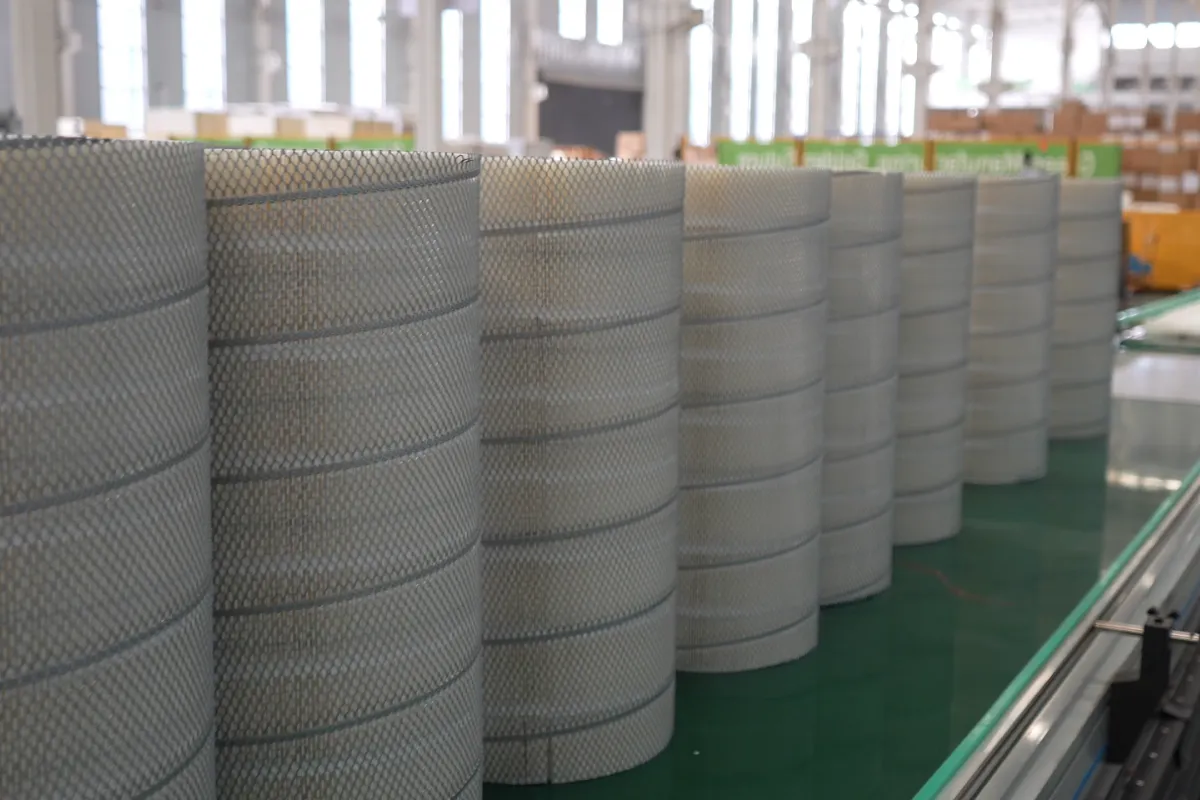
The First Question Is Whether Your Line Has a Curing Oven
Cured paper is impregnated with phenolic resin and needs 150 C for 10 to 15 minutes to set. Uncured paper uses a thermoplastic acrylic and stays flexible at room temperature. Buy cured paper for a line with no oven and the pleats will not hold; run uncured paper through an oven you already paid for and you have wasted the equipment. Tell us what is on the line and we will tell you which one belongs there.
We Read a Spec Sheet Differently Because We Also Build Pleaters
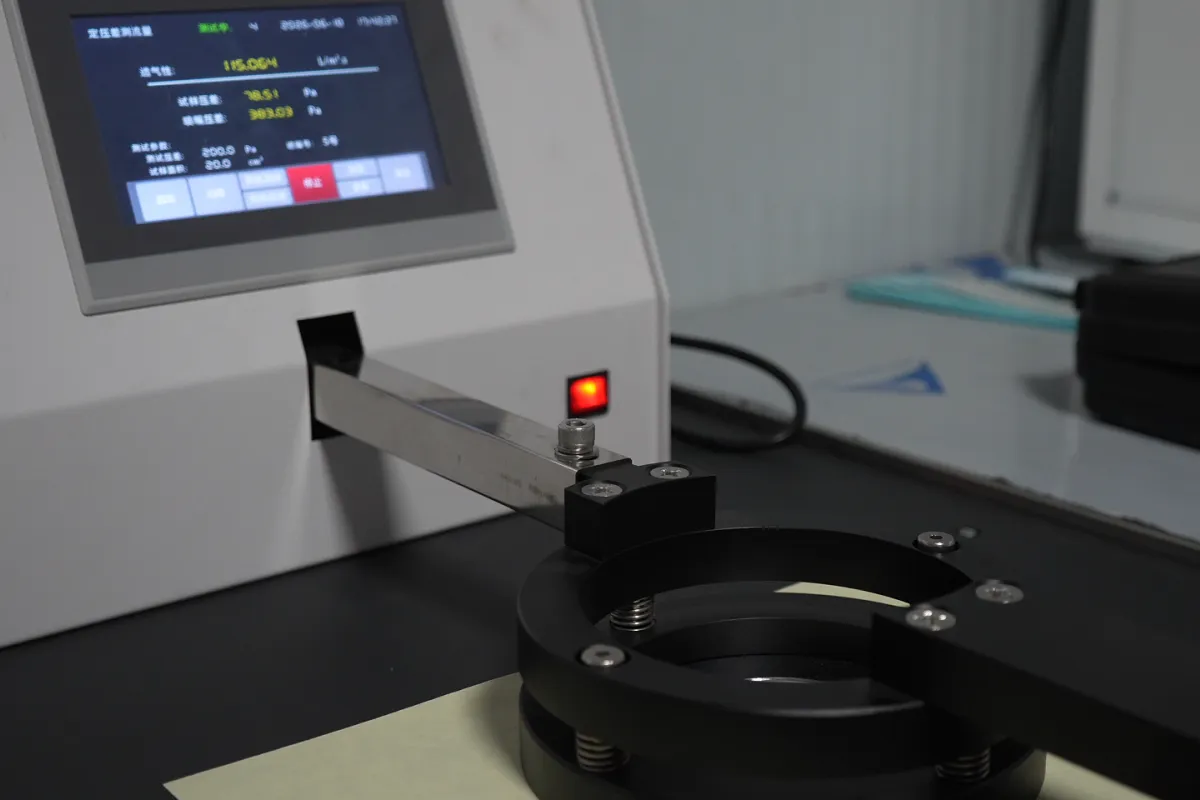
Since 1990 we have supplied over 200 machine models — pleating machines, curing ovens, test rigs — to more than 500 filter manufacturers in over 90 countries. That is an unusual place to sell paper from: when a grade will not pleat cleanly, we can usually tell you whether it is the paper or the line setup, because we have seen both.
Smooth, Corrugated or Crepe Changes How Deep You Can Pleat
Smooth paper gives stable, even pleat spacing and suits precision shallow pleating. Corrugated paper carries its own spacing between pleats, which is why heavy-duty air elements use it for deep pleats that must not collapse. Crepe stretches, which makes it the choice for shaped elements and secondary forming. Same basis weight, three different behaviours on the machine.
Which Element Are You Building
Same paper family, different requirements. Pick the closest one and we will send the grades that fit it.
Passenger Car Air Filters
Panel and round elements, shallow to medium pleat depth. 95-135 g/m2 with permeability chosen against the airflow and the housing restriction.
Truck and Off-road Air Filters
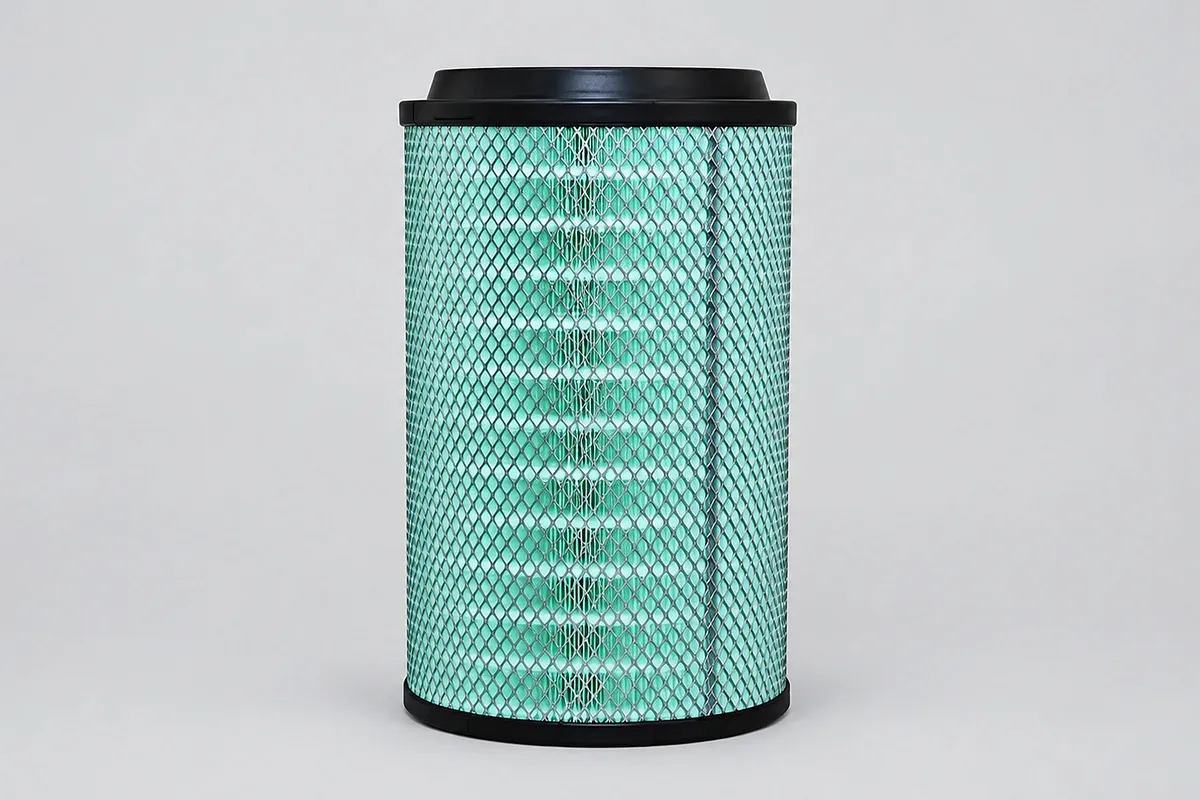
Deeper pleats, higher dust load, and elements that have to survive vibration. Burst strength above 400 kPa and corrugated surfaces to hold pleat spacing.
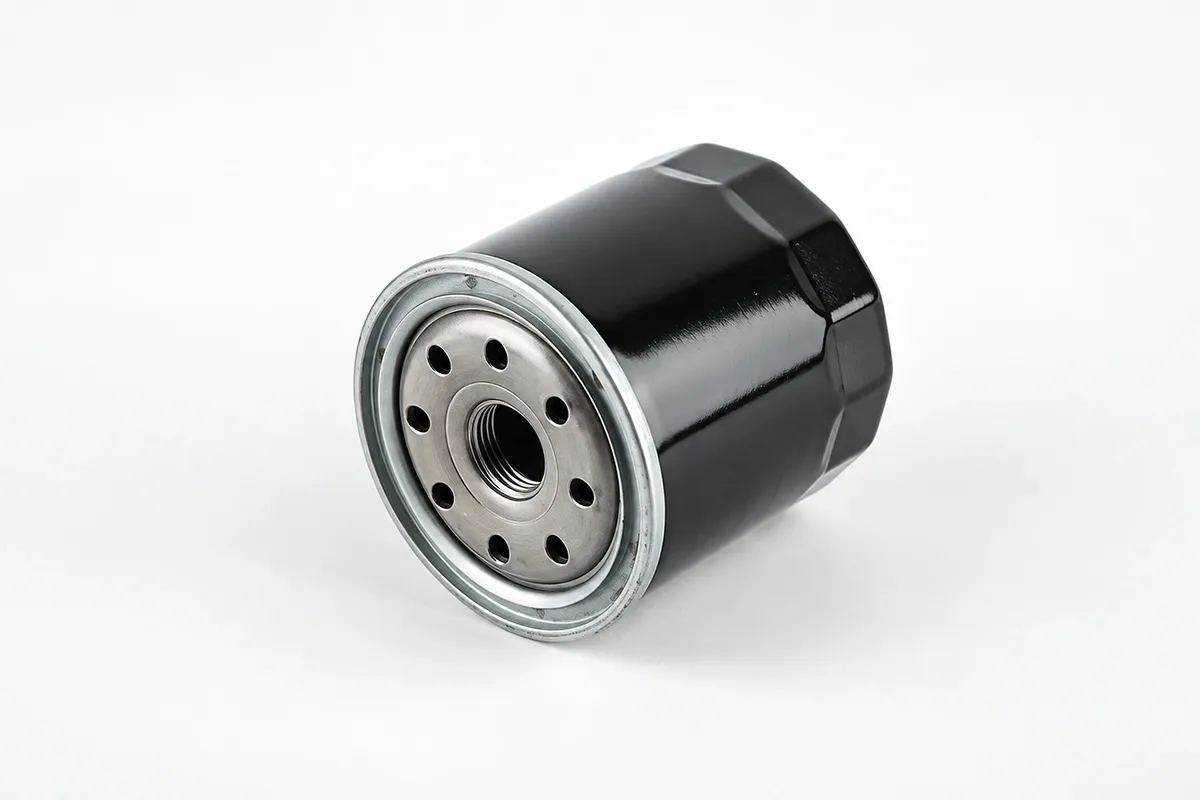
Spin-on Oil Filters
Cured grades that stay dimensionally stable in hot oil over the service interval, with pore structure matched to the bypass valve setting.
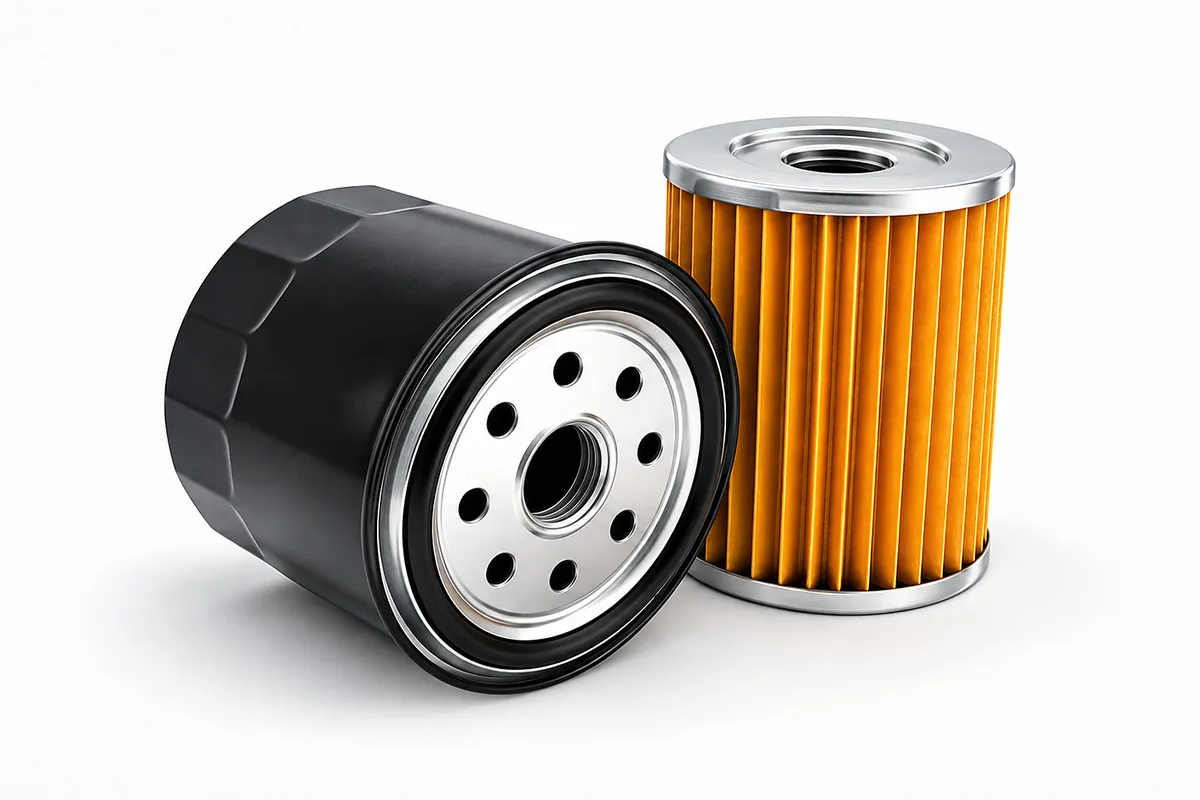
Diesel Fuel Filters
Including water-separation grades. Resin content and curing schedule govern both efficiency and the element's resistance to fuel additives.
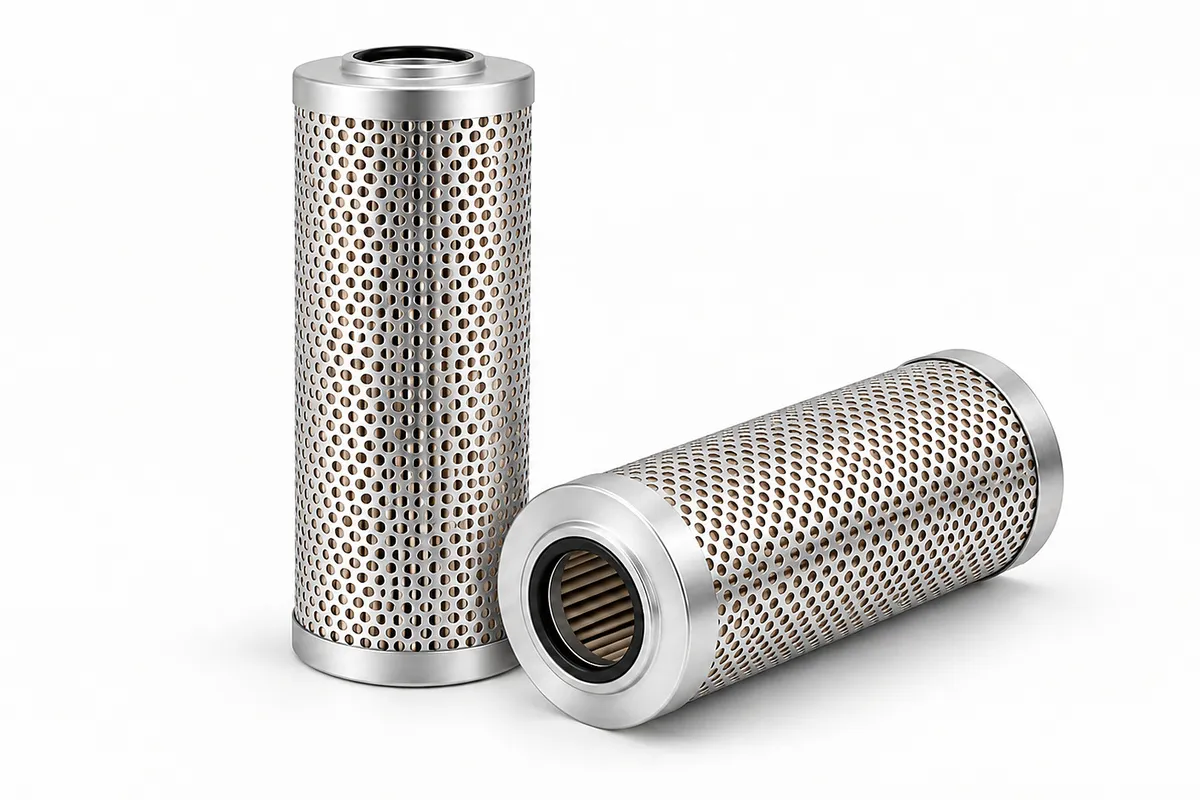
Hydraulic Elements
Glass fiber composite media where the specification is a beta ratio at a given micron size, not a nominal rating.
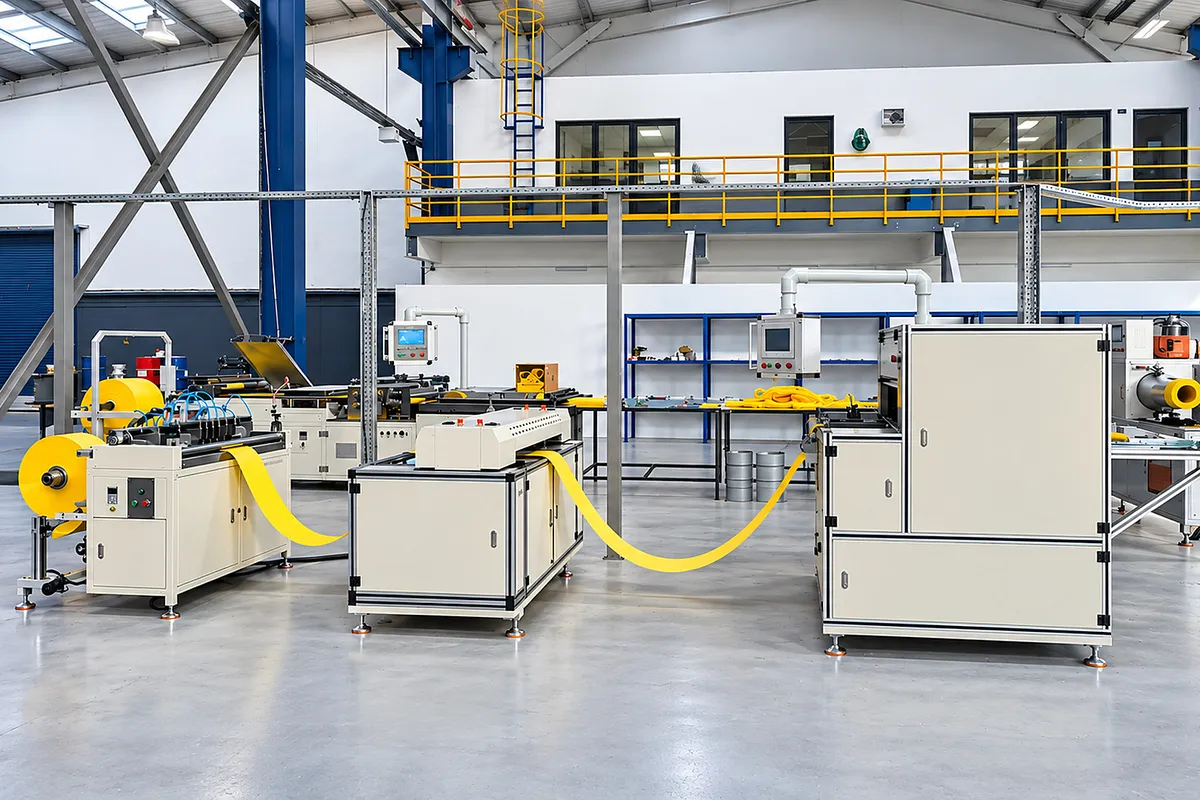
Aftermarket and Private Label
Matching the paper an existing element already uses, so the replacement performs the same as the original. Send a sample and we will match it.
From Your Spec to a Roll on Your Machine
- 1
Tell us the grade and the machine
Basis weight, permeability and thickness are enough to start. The pleater and oven model tell us the rest.
- 2
We name the grade
Usually one of the listed grades matches. If nothing does, we quote against your specification.
- 3
Free sample
We send paper to run on your line. One of our engineers confirms the grade and shipping with you within 24 hours.
- 4
You run it
Test it against what you use now — most customers run one production batch side by side.
- 5
Order and delivery
Around one week after payment for grades in the current production run; 1-2 weeks after deposit if it has to be produced.
Picking a Grade by What the Element Has to Do
Permeability and pore size pull against each other: open paper means low restriction and lower efficiency, tight paper means the opposite. These four are the common starting points.
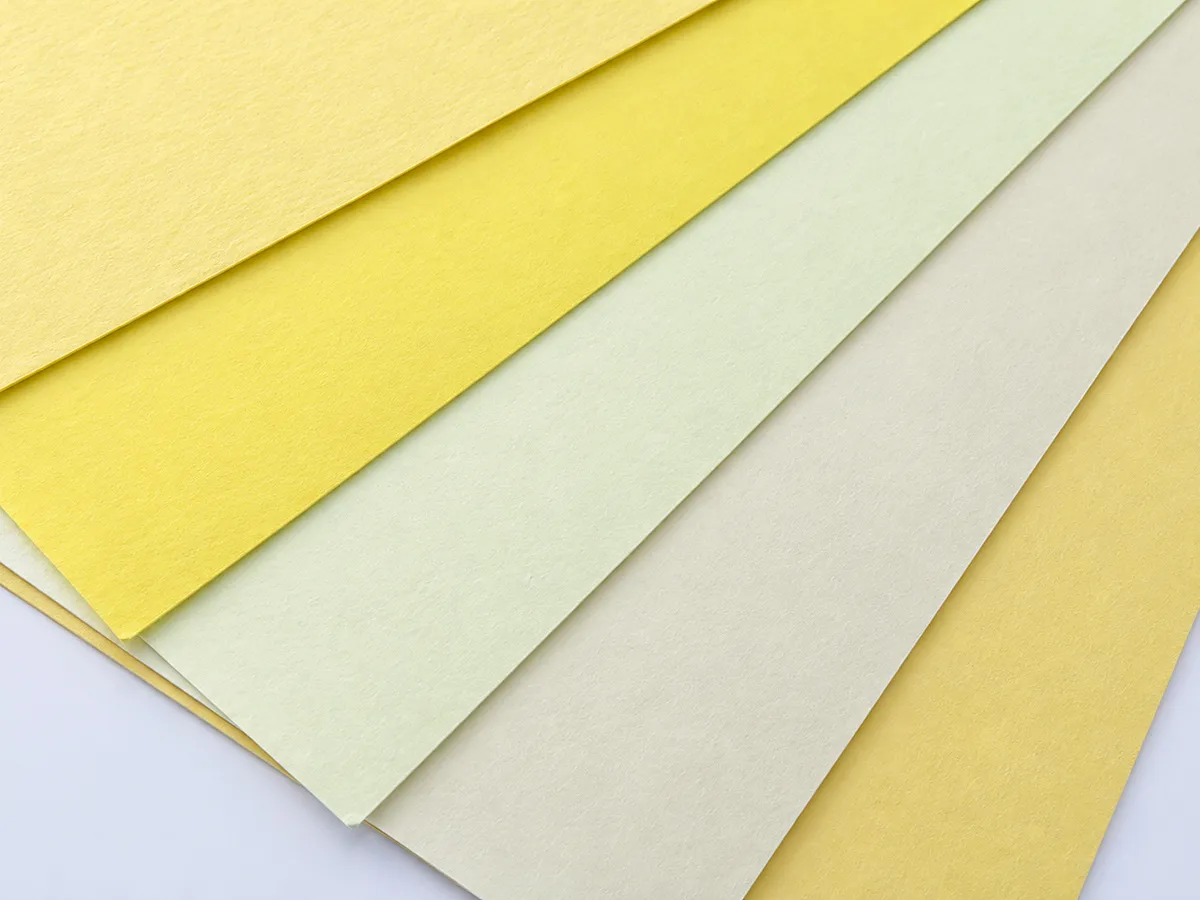
Low restriction, high airflow
- Basis weight
- 128-145 g/m2
- Grade
- LMAPHK-14555-211 / LMHGPK-363
- Requirement
- Panel air element in a restricted housing

Fine filtration, tight pore
- Basis weight
- 135 g/m2
- Grade
- LMAMS13513CW
- Requirement
- Efficiency over airflow, fine dust environments
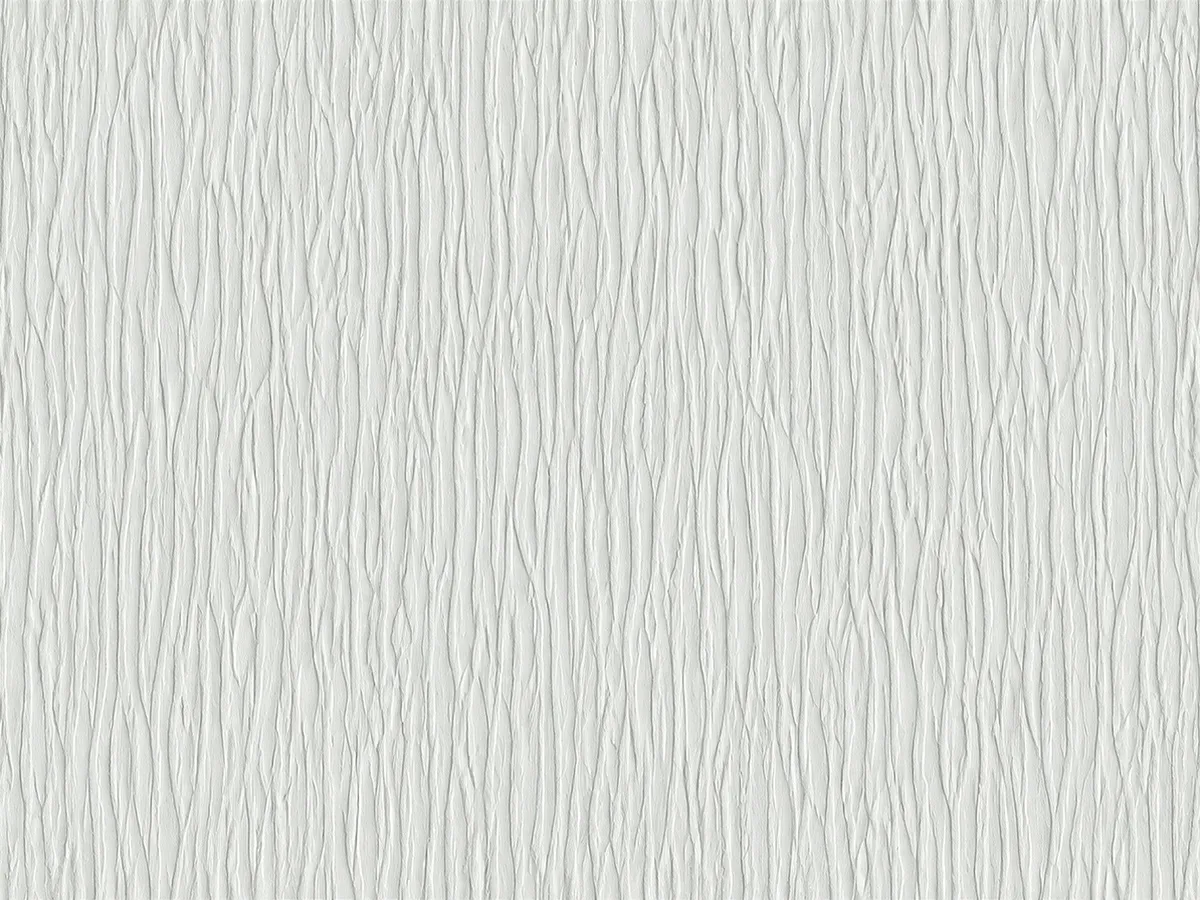
Heavy duty, deep pleat
- Basis weight
- 195 g/m2
- Grade
- LMAWHJ-19535-5071
- Requirement
- Truck and off-road, burst strength critical
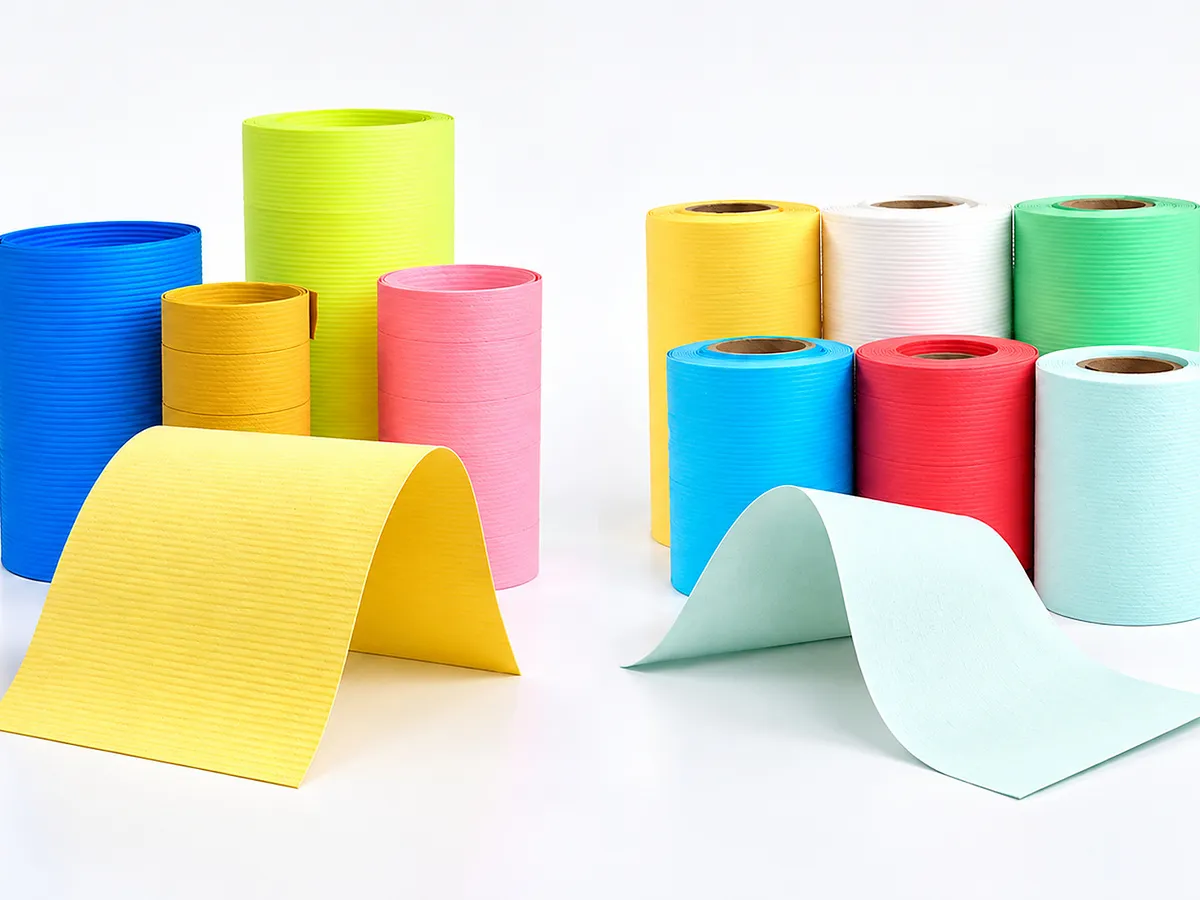
Light, shallow pleat
- Basis weight
- 95 g/m2
- Grade
- LMAPHK-605
- Requirement
- Compact elements, low dust load
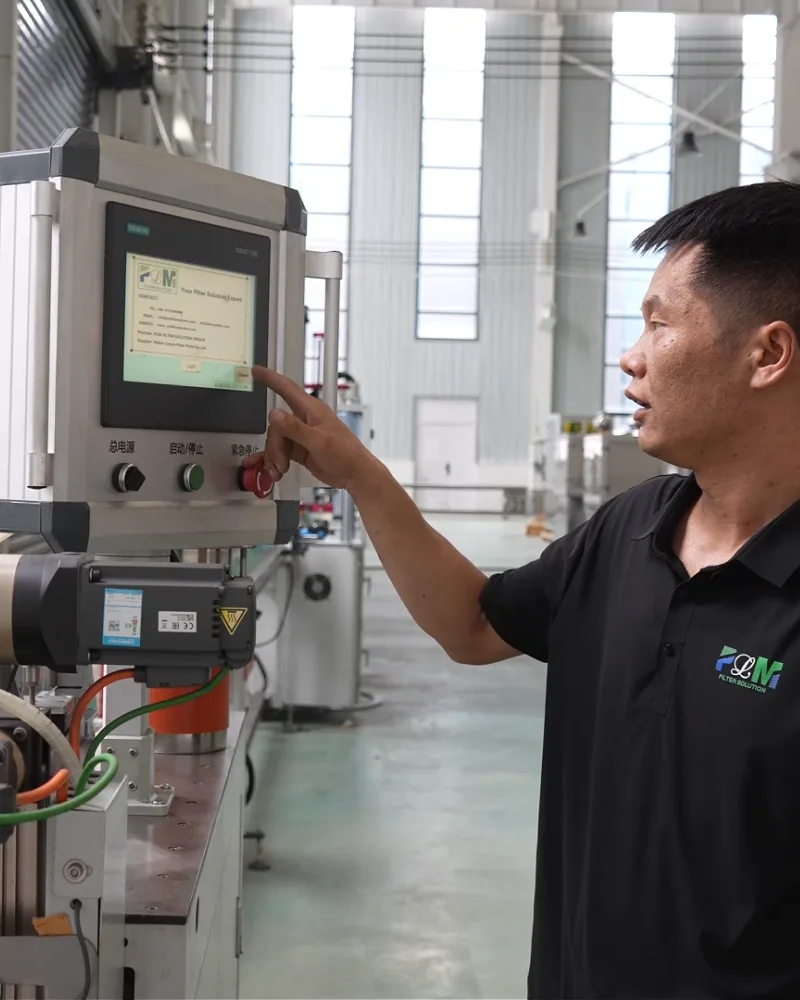
Talk to an engineer
“Send us the paper you are running now and the machine it runs on. We will tell you which of our grades matches, and if none of them does, we will say so rather than sell you the closest thing.”
What Filter Plants Ask Before the First Order
Answered by the engineers who handle the samples.
Do you supply cured or uncured filter paper?
Both. Phenolic-impregnated cured grades for lines with a curing oven, acrylic uncured grades for lines without one. Cured paper needs 150 C for 10 to 15 minutes to set. Tell us what is on your line and we will tell you which to run.
What basis weights do you have?
The listed air filter paper grades run 95 to 195 g/m2, with permeability from 130 to 550 L/m2/s and dry burst strength above 200 to 400 kPa depending on the grade. Surfaces are smooth, corrugated and crepe.
Can you match the filter paper I am using now?
Usually yes. Send the current specification — basis weight, permeability and thickness are enough to start — or send a sample of the paper and we will match it against our grades.
What is your minimum order quantity?
It varies by grade and is stated on the quotation sheet. It is also negotiable, so tell us the volume you are working with rather than assuming you are below it.
How long is delivery?
Around one week after payment if the grade is in our current production run. If it has to be produced, 1 to 2 weeks after deposit.
Can I get a sample before ordering?
Yes. Request a free sample and one of our filtration engineers will contact you within 24 hours to confirm the grade, the quantity and the shipping arrangement.
How do you compare with European or American paper mills?
The same basis weight and permeability ranges, produced in our own plant under ISO 9001, and we will send paper to run against what you use now. Where we are genuinely different is that we also build filter production machinery — so when a grade will not pleat cleanly, we can usually tell you whether it is the paper or the line.
Do you supply hydraulic filter media as well?
Yes — glass fiber composite media for hydraulic elements. It is quoted against your specification rather than from a listed grade table, because hydraulic requirements are written as beta ratios.
Send Us Your Grade. We Will Send Paper to Test.
Basis weight and permeability are enough to start. An engineer replies within 24 hours.